The handlebar is where you feel every rut on a gravel ride. The right bar steadies rough descents and keeps your hands relaxed.
The short version of how to choose gravel bike handlebars: comfort & control have to work together. Width, flare, reach, and shape affect both.
(image source credit: www.cyclingweekly.com)
Start With How You Ride
Your riding style narrows the field first. Racers often want a compact cockpit that feels sharp in corners.
Endurance riders usually trade a little speed for more comfort and a calmer front end. On long days over broken roads, prioritize stability and positions you can hold for hours.
Bikepacking and Accessory Space
Bikepacking changes the cockpit quickly. A bag, lights, and a GPS all compete for the same bar space.
The space between the drops matters more than many riders expect. Handlebar bags need a clear gap to mount without rubbing the levers, so measure it first.
For multi-day touring, the bar has to work with your luggage rather than compete with it. A roomy cockpit can feel cramped once everything is strapped on.
Pick the Right Handlebar Width
Width is the first thing to check because it affects leverage, steering feel, and breathing room.
Measure your shoulders from bone to bone, then choose gravel handlebars at that width or slightly wider. Our guide on how to choose handlebar width explains the measurement.
When Wider Bars Help
Wider bars add leverage on descents and calm the steering when the front wheel drifts on loose ground. They also leave more room for luggage on bikepacking setups.
A wider drop bar can slow the steering slightly, though, and may strain your shoulders if you have a narrow build or ride mostly smooth roads.
When Narrower Bars Work
Narrower bars suit racers, smaller riders, and anyone who likes a compact cockpit and lively handling.
Comfort is still personal. A width that feels efficient to one rider can feel cramped to another, so narrower is not automatically easier on the body.
Understand Flare, Drop, and Reach
Flare angles the drops outward, drop is the vertical distance from the tops to the lowest hand position, and reach is how far forward the hoods sit.
Our road bike handlebar guide covers how each one is measured, and the principles carry over to gravel.
(Image source credit: www.rodalink.com)
Why Flare Improves Control
Most gravel handlebars have 12 to 25 degrees of flare, compared with a few degrees on typical road bars. The wider hand position feels steadier on washboard and loose corners.
More flare is not always better. Too much twists the hoods inward and feels awkward on the tops.
How Drop and Reach Affect Comfort
Compact bars typically have 70 to 80 mm of reach and 120 to 125 mm of drop, while traditional shapes run closer to 90 mm and 140 mm. A shallower drop is easier to use often.
Shorter reach keeps your shoulders from stretching forward. If your upper back feels tense on long rides, reach is often the cause rather than width.
Choose the Best Shape for Your Hands
Bar shape decides how many hand positions you have and how natural each one feels.
Drop Bars vs Flat and Alt Options
Drop bars remain the gravel standard because they offer several hand positions and a low option for speed. Flared drop bars add off-road confidence with a familiar cockpit.
Flat bars feel upright and intuitive, especially for riders coming from mountain biking. With a flat setup, our guide to choosing mountain bike grips is worth a look.
Alt-style bars with sweep and rise sit between the two. They put your wrists at a natural angle and leave space for bags.
(Image source credit: www.theproscloset.com)
Match the Bar to Your Bike Fit
Even a well-chosen bar can't fix a poor overall fit. Saddle height, stem length, and posture all matter, so a proper bike fit is worth considering first.
Stem length is the easiest companion adjustment. Many gravel bikes use 70 to 90 mm stems, and our stem length guide explains how much reach a change adds.
Signs the Fit Is Off
Wrist strain, shoulder tension, neck fatigue, and twitchy or sluggish steering are common warning signs.
Too much reach pulls your weight forward, while too little width reduces leverage on loose ground. Make one small change at a time and judge it after an hour of riding.
Which Gravel Handlebars Are Most Comfortable?
For most riders, the most comfortable gravel handlebars have moderate flare, manageable reach, and a drop you can use without stretching.
Bar tape adds a final layer. Gravel riders usually benefit from tape slightly thicker than the 2.5 to 3 mm common on road bikes, as our bar tape guide explains.
Tires matter too. The right width and pressure absorb chatter before it reaches your hands, and our tire pressure chart is a good place to start.
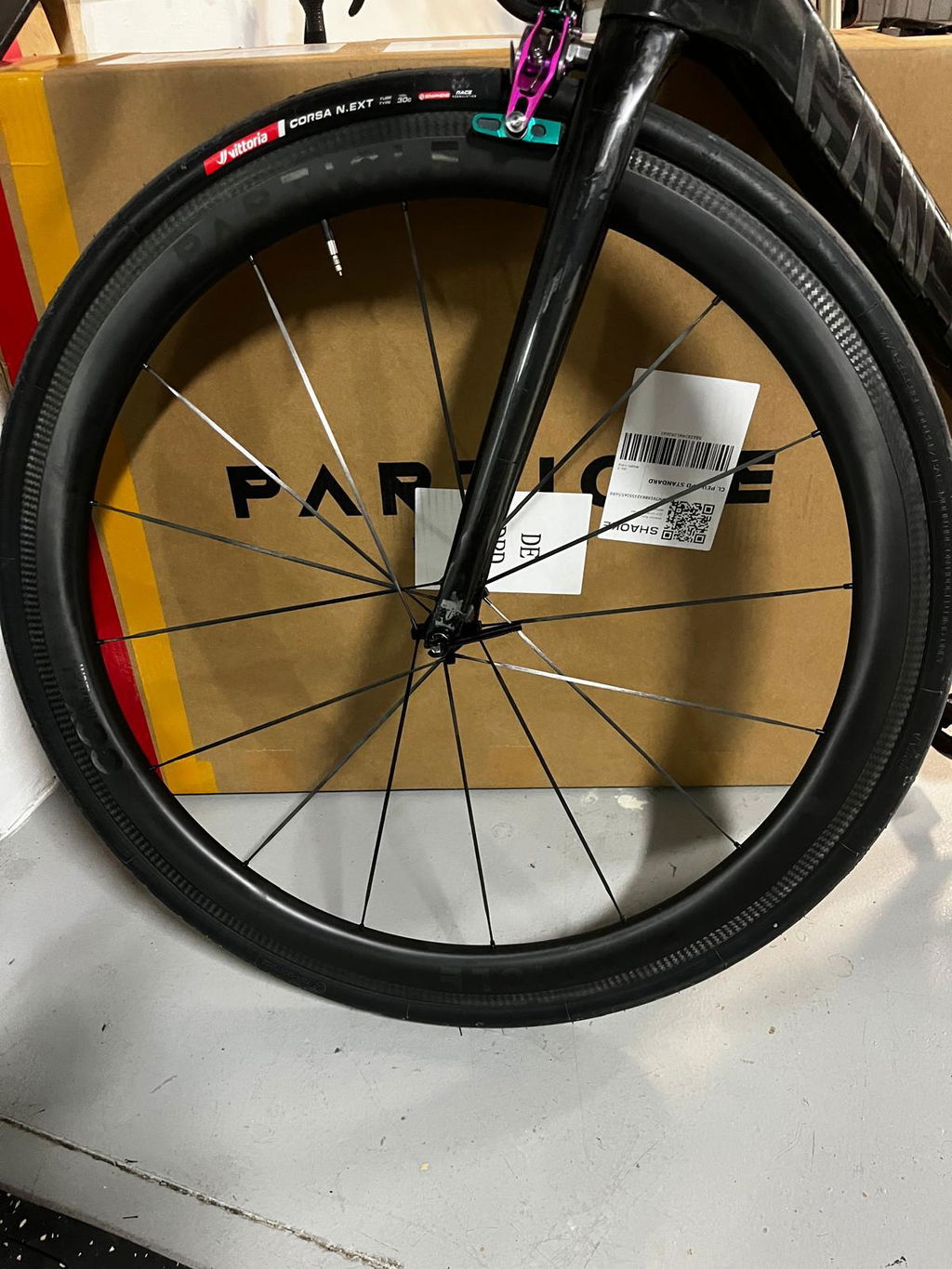
Wheels play a part as well. Our GCX gravel wheels use a 25 mm inner rim width that supports wider tires at lower pressures, for more comfort and grip.
Quick Buying Checklist
Before you buy, run through these points:
- Decide whether your priority is racing, endurance, or bikepacking.
- Check width first, then flare, reach, and drop.
- Make sure the cockpit supports neutral wrists and relaxed shoulders.
- Leave room for bags, lights, and a computer mount.
- Choose the setup that balances comfort, control, and hand-position variety.
Get these right and the bar fades into the background on a long gravel day.
(Image source credit: www.cyclingweekly.com)