Are Carbon Wheels Worth It? 2027 Carbon Wheels Buying Guide
Are carbon wheels worth it? For most riders, the answer depends on how often you ride, how fast your routes are, and whether the rest of your bike is already sorted. On the right bike, carbon wheels make the ride sharper and easier to keep at speed. They are not a shortcut to fitness, though. If your fit, tires, or maintenance still need attention, those fixes usually deliver more first.
This guide covers what carbon actually changes, the drawbacks worth weighing, how the answer differs for road, gravel, and XC riders, and what to check before you buy.

Are Carbon Wheels Worth It? The Short Answer
Often, yes, but only for the right rider and the right use. Carbon wheels make the biggest difference for people who ride several times a week, push the pace on open roads or fast gravel, or want a more responsive bike when they accelerate and corner. Deeper carbon rims also reduce drag at higher speeds, which adds up over a long ride.
If your bike already fits well and your stock alloy wheels are the weak point, the upgrade is easy to feel. If you ride casually, mostly in stop-and-go traffic, or are still fixing comfort problems, the value is harder to see. Think of carbon as a ride-feel upgrade first and a speed upgrade second.
What Carbon Wheels Actually Change
The material is only part of the story. A carbon wheelset changes rotating mass, aerodynamics, and lateral stiffness, and together those affect how quickly the bike reacts when you stand up or surge. That is why carbon wheels often feel livelier than an entry-level alloy wheel, even when the weight difference on the scale looks modest.
They also behave differently on different surfaces. On smooth pavement and steady routes, aerodynamics matter most. On rough roads and trails, tire width, pressure, and wheel construction matter just as much as the rim material.
Speed on Flats and Rolling Roads
Once you are up to speed, holding a steady cruising speed matters more than quick bursts, and this is where deeper carbon rims help most. A well-shaped aero rim makes it a little easier to hold momentum on long solo efforts and gradual rollers, because less of your power goes into pushing air.
Climbing and Acceleration
Lighter wheels feel more eager on punchy climbs, out of corners, and through repeated accelerations. The gain shows up more as response than as minutes saved, which is why riders often describe a good carbon wheelset as lively rather than simply fast.

Benefits Riders Usually Notice First
The first changes most riders notice are quicker acceleration, a more connected feel through the pedals, and steadier confidence when the pace changes suddenly. Those traits come from the whole build, not just the rim.
Hub quality, even spoke tension, and a stiff rim all affect how cleanly the wheel tracks under load, which is also why two carbon wheelsets can feel very different on the same bike.
Better Feel in Group Rides
Fast group rides are where this stands out most. When riders roll through, attack, or close a gap, the wheels respond to every short surge, and the bike feels settled as the speed rises and falls. If much of your riding happens in a paceline, that response is easy to appreciate.
Handling and Stability
A well-built carbon wheel steers precisely and holds its line through corners. Rim depth changes the trade-off, though. Shallow and mid-depth rims give calmer handling in gusty weather, while deeper rims are faster on open roads but ask more of you in crosswinds.
Drawbacks to Weigh Before Buying
Price is the obvious drawback, but it is not the only one. Repairs can cost more than with alloy, deep rims take more effort in crosswinds, and a very stiff wheel paired with narrow, high-pressure tires can feel harsh on broken surfaces.
For some riders, alloy remains the sensible choice because it is cheaper, durable, and easy to replace. That is not a failure of carbon; it is a matter of matching the wheel to the rider.
Cost and Value
Carbon makes the most sense once the basics are handled. If your bike fit is off or your tires are worn, those are usually better first purchases, because a performance upgrade only feels worthwhile when the rest of the bike supports it.
Impact Damage and Repairs
Carbon rims are strong, but a hard pothole strike or a crash can still end a rim's life, so how a brand tests and supports its wheels matters. Particle's road and gravel rims are tested to more than twice the UCI Vertical Impact Test standard, and Particle's 4th Generation Carbon Spokes can be replaced individually, just like steel spokes.
If a wheel is damaged outside warranty, Particle's Lifetime Crash Replacement policy gives riders 25% off a replacement, which takes some of the risk out of the upgrade.
Carbon Road Wheels, Gravel Wheels, and MTB Wheels
The answer changes with the riding you do, because each discipline asks something different of a wheel.
Road
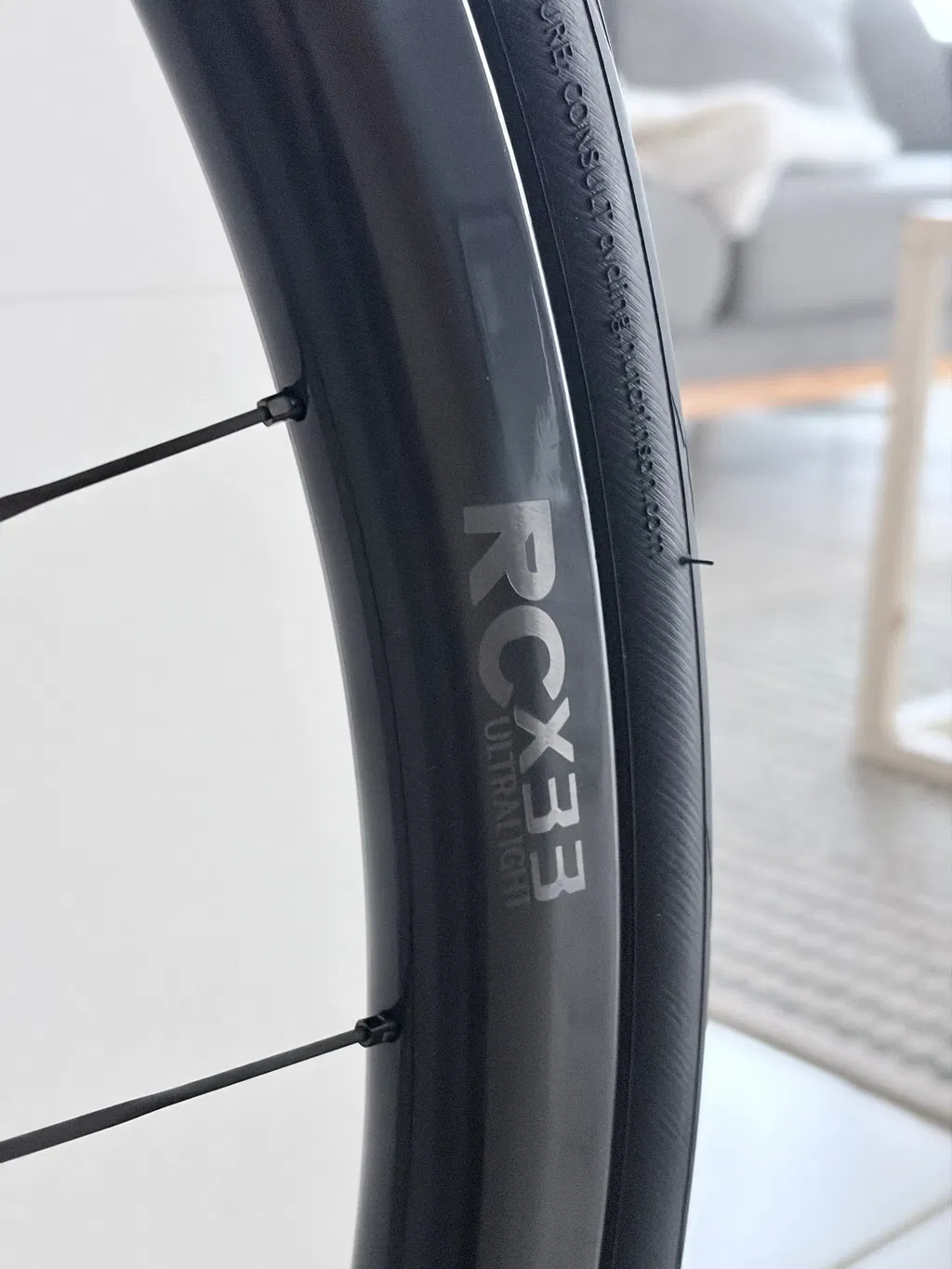
Road riding is where carbon shows its clearest gains. Aero rims pay off at sustained speed, and low weight helps on long climbs. Particle's RCX series is road-specific, and the Best Road Bike Wheels 2027 guide compares carbon road wheels across depths and weights.
Gravel
Gravel adds loose surfaces, wider tires, and more impacts, so durability and internal rim width matter as much as weight. Mid-depth carbon rims tend to work best here. Particle's GCX series is built for both road and gravel, and the Best Gravel Wheels 2027 guide covers the options side by side.
XC and Downcountry
On cross-country and downcountry trails, carbon's stiffness gives precise handling through roots and rock gardens, and lower wheel weight helps on repeated climbs. Particle's MSX Ultralight is a 29er XC+/downcountry wheelset with a 30mm internal width. The XC and downcountry wheels guide explains what else to look for.
How Rim Depth Affects the Decision
Rim depth often matters more than carbon versus alloy on its own. Shallow rims, under about 35mm, feel calm and suit climbing, rough roads, and windy days. Mid-depth rims, roughly 35 to 50mm, balance aero gains with manageable handling, which makes them the best all-round choice for many riders.
Deep rims above 50mm are fastest on open, steady roads but need more attention in crosswinds. If you ride varied terrain or want one wheelset for most rides, decide on depth before anything else. The rim depth guide goes into more detail.
Tire Size and Wheel Compatibility
Tire size has a bigger effect on real-world feel than many buyers expect, because the rim and tire work as one system. Wider tires at lower pressure improve grip and ride quality on imperfect surfaces, so your tire choice deserves as much thought as the rim. The rim's internal width should suit the tire size you plan to run.
Before buying, confirm brake type, axle standard, freehub body, and frame clearance. Most modern carbon wheels are built for disc brakes, which removes the old worry about carbon braking surfaces in wet conditions. Particle's road and gravel rims are hooked, which works with the widest range of tires and pressures.

Durability and Lifespan
A well-built carbon wheelset can last many seasons. Lifespan depends on rider weight, surface quality, build quality, and crash history, so check the system weight limit before you buy. Particle's GCX Team, for example, is rated to a 140kg maximum system weight.
Most problems that shorten a wheel's life are preventable. Check spoke tension, bearing play, and tubeless sealant regularly, and inspect the rim after any hard hit. Small issues caught early stay cheap to fix.
Buying Checklist Before You Upgrade
Choose the wheel that matches the riding you actually do, not the one that looks fastest on paper. Smooth, fast routes reward aero depth, while mixed surfaces reward comfort and handling. Measure price against warranty, support, and reliability rather than weight alone.
Then check compatibility: frame and fork clearance, brake type, axle standard, freehub body, and weight limit. Finally, look at support: warranty length, crash replacement terms, and whether spare parts such as spokes and freehubs are easy to get.
Frequently Asked Questions
Are carbon fiber wheels worth it for beginners?
Usually not as a first upgrade. A proper bike fit and good tires tend to make a bigger difference for newer riders. Carbon becomes worth it once you ride often and know what you want from the bike.
How much faster are carbon wheels?
It depends on speed, rim depth, and conditions. Aero savings grow with speed, so a rider holding high speeds on flat roads gains more than someone on slow, hilly routes. For most riders, the difference shows up as a bike that feels quicker and is easier to keep at pace, rather than a dramatic drop in ride times.
Are carbon rims worth it compared with alloy?
For frequent, performance-focused riding, usually yes. For tight budgets or very rough use, a good alloy wheel can be the better value. The carbon vs aluminum wheels comparison covers weight, durability, and cost side by side.
So, Are Carbon Wheels Worth It for You?
For many riders, yes, as long as the upgrade fits the riding. Carbon wheels are most worth it when your fit is sorted, your tires are in good shape, and you want a bike that responds faster and holds speed more easily, whether on road, gravel, or singletrack.
If you are still working on comfort or basic maintenance, start there. If your setup is already solid, carbon wheels can be one of the most satisfying upgrades you make.