Best Gravel Wheels 2027: How to Choose the Right Wheelset
Choosing the right gravel wheels is less about chasing the lightest number on a spec sheet and more about matching the wheelset to how and where you actually ride. A setup built for fast gravel racing can feel nervous on loaded backroads, while a durable all-rounder can feel a little slow if your rides are mostly smooth and fast.
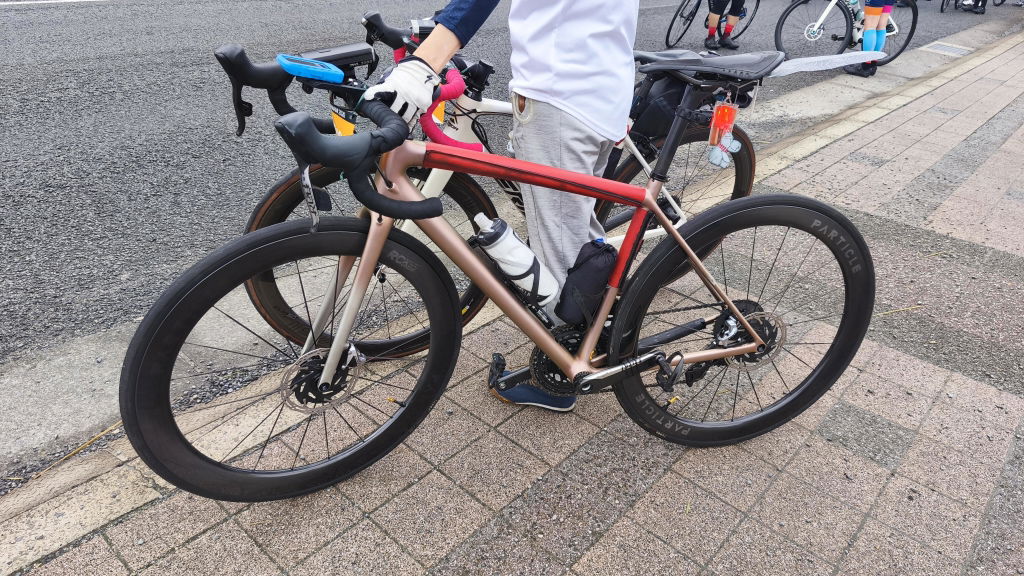
This guide breaks down the tradeoffs that matter most in 2027: speed, comfort, durability, and control. It covers the best gravel wheels for each type of rider, the specs worth paying attention to, and how Particle's GCX carbon wheelsets compare.
If you are still deciding whether carbon makes sense for you at all, our guide on whether carbon wheels are worth it covers that question across road, gravel, and XC riding.

What Makes the Best Gravel Wheels
The best gravel wheels strike a balance between efficiency and forgiveness. On gravel, you are rarely dealing with one surface. Even a fast route can include washboard, loose corners, hardpack, broken pavement, and the occasional muddy stretch.
A wheelset that performs well in that mix needs enough stiffness to stay precise under load, enough compliance to take the edge off chatter, and enough durability to survive repeated hits without constant attention.
That balance changes from rider to rider. A racer may care most about acceleration, cornering support, and a secure tire fit. A rider carrying bags for days may value stability and easy repairs more than a few saved grams. Someone riding after work may want a wheel that feels quick on pavement but still reassuring when the route turns rough.
That is why "best" is always conditional. The right answer depends on your riding style, your usual roads and trails, the tires you run, and how much maintenance you want to deal with over time.
As you compare options, look past marketing terms and focus on the practical pieces: internal rim width, spoke count, hub quality, freehub body compatibility, and tire setup. Those details shape how a wheel rides far more than a headline weight figure.
Best Gravel Wheels by Riding Type
The easiest way to shop is by use case. It keeps the decision grounded in how the wheel will feel on the road or trail, rather than in abstract spec comparisons. Most riders fall into one or more of the groups below.
Best Overall for Most Riders
If you ride a mix of pavement, hardpack, light singletrack, and rough farm roads, the best all-round wheels are the ones that do not lean too hard in any one direction.
Look for an internal width of around 25mm to support modern gravel tires, a sensible weight, and a tubeless setup that lets you run low pressures without the tire feeling vague in corners.
A mid-depth rim of roughly 30 to 45mm keeps the wheel calm in crosswinds while still feeling efficient when the road opens up. This kind of wheel pairs well with tires from about 38 to 50mm and handles long days and changing conditions without fuss.
Who it suits: most recreational and endurance riders, and anyone who wants one dependable wheelset for everyday use. Pure racers chasing every gram, and riders carrying heavy loads, may be better served by the more specialized options below.
Best Budget Gravel Wheels
Budget gravel wheels should improve the parts of the ride you notice immediately: comfort, stability, and tire support. In this tier, alloy usually makes the most sense.
You can still find tubeless-compatible alloy wheels with well-sealed hubs and enough width to support modern tires. Expect some tradeoffs, such as extra weight, slower engagement, or a less refined finish than premium carbon.
For many riders, a good budget upgrade means a more controlled feel at low pressure, even if the wheel is not especially light. If your current wheels are narrow or flexy, the difference can be obvious from the first ride.
Spend more if you care about acceleration, plan to race, or want quicker hub engagement. At that point, a mid-range carbon wheelset often gives noticeably better ride quality for the extra money.
Best Value Carbon Gravel Wheels
This is where many riders find the best balance. A value-focused carbon wheelset feels meaningfully quicker and more refined than stock wheels without moving into top-tier pricing.
The biggest gains here are usually stiffness, lower weight, a cleaner tubeless setup, and reliability, rather than large aerodynamic savings. Look for a rim width that suits your usual tires, dependable sealed hubs, and a build that stays true.
In Particle's lineup, the GCX Light sits in this space. It uses the same 25mm internal width and depth options as the lighter GCX models, with a little more weight in exchange for a higher system weight limit.
Best fit: riders who want a serious upgrade for long weekend rides, gravel events, and rougher routes, but do not need the lightest wheel available.

Best for Gravel Racing
Race-focused gravel wheels prioritize low weight, stiffness, and secure tire support. They should stay precise when you corner hard or sprint out of a rough section.
Deeper rims can help at speed, but they are not automatically better for every race. On technical or gusty courses, too much depth can cost more confidence than it gains in aerodynamics, so many racers settle on 40 to 50mm.
Fast engagement and enough lateral stiffness keep handling crisp under power. Racers also want a setup that holds low pressures without squirm, since grip matters as much as raw speed when the surface gets loose.
Particle's GCX Hyperlight, from 955g a pair, and GCX Ultralight, from 975g, are built for this kind of riding, and both are UCI approved for racing.
Best for Bikepacking and Rough Roads
Wheels for loaded, multi-day riding should be built for confidence, not just low weight. A strong rim, robust hubs, and parts you can service matter more here than the lightest possible build.
If you are carrying gear or riding far from a bike shop, the wheel has to stay true, handle uneven loads, and be easy to fix if something wears out. A higher spoke count has traditionally been the answer, because it spreads load across more spokes so a single break is less serious.
Spoke type matters too. J-bend spokes are easy to find almost anywhere, while bonded or proprietary designs can leave you stuck if one breaks mid-trip. Particle's carbon spokes are mechanically secured rather than bonded, so a damaged spoke can be replaced on its own, and it is worth carrying a spare.
Choose this type of wheel if you value durability, predictable handling, and load stability over the last bit of speed.
Best for Heavier Riders
Every wheelset has a maximum system weight, which covers rider, bike, and gear together. Heavier riders, and anyone loading a bike with bags, should check that number before anything else.
Limits vary widely between models. In Particle's gravel range, the GCX Hyperlight, GCX Ultralight, and WCX Ultralight are rated to 100kg, while the GCX Light is rated to 120kg.
If you are close to a wheel's limit, choose the next model up. A wheel working well within its rating stays true longer and has more margin when you hit something hard.
Particle GCX Gravel Bike Wheels Compared
Particle's gravel wheel range includes three GCX wheelsets with a 25mm internal width and the wide WCX Ultralight with a 32mm internal width. All four use hooked, tubeless-ready carbon rims and 20 carbon spokes per wheel. The differences come down to weight, width, depth options, and how much load each one is rated to carry.
Weights below are claimed figures for a pair in the lightest configuration. Hub and spoke choices change the final number slightly.
| Wheelset | Depths | Internal width | Weight (pair, from) | Max system weight | Best for |
|---|---|---|---|---|---|
| GCX Hyperlight | 45, 52mm | 25mm | 955g | 100kg | Racing and climbing |
| GCX Ultralight | 30–60mm | 25mm | 975g | 100kg | Racing and fast all-round riding |
| GCX Light | 30–60mm | 25mm | 1,120g | 120kg | Everyday gravel and events |
| WCX Ultralight | 40, 50mm | 32mm | 1,100g | 100kg | Big tires, rough roads, gravel racing |
WCX Ultralight
The WCX Ultralight is Particle's wide gravel wheel. Its 32mm internal width is built around tires from 42mm up, and it comes in 40mm and 50mm depths, starting at 1,100g a pair.
It suits riders who run big tires for rough roads or fast, chunky gravel racing. It is UCI approved, tested to 2.5 times the UCI impact standard, and rated to 100kg.
GCX Hyperlight
The GCX Hyperlight is the lightest wheel in the range, starting at 955g a pair. It comes in 45mm and 52mm depths, and its rims are tested to 2.5 times the UCI Vertical Impact Test standard.
It suits racers and riders who climb a lot and want the quickest-feeling wheel, provided total system weight stays within its 100kg limit.
GCX Ultralight
The GCX Ultralight starts at 975g and offers the widest choice of depths, from 30mm to 60mm. That makes it easy to match the wheel to your courses, from a shallow climbing set to a deeper rim for open, fast gravel.
Like the Hyperlight, it is rated to 100kg and tested to 2.5 times the UCI impact standard.
GCX Light
The GCX Light starts at 1,120g and is rated to 120kg. It shares the same rim shapes and depth options as the Ultralight, with a modest weight increase in exchange for a higher load rating.
It is a good fit for riders who want carbon performance for everyday gravel and the occasional event, with some extra margin for body weight or gear.

How to Choose Gravel Wheels
Once you know what kind of riding you do, the technical specs become much easier to read. Each one affects how the wheel works with your tires, your frame, and your roads.
700c vs 650b
The choice between 650b and 700c is one of the first decisions in gravel wheel selection. The two sizes differ in rim diameter: 700c measures 622mm at the tire bead, while 650b measures 584mm.
700c favors speed and rollover. It feels efficient on hardpack and smoother gravel, and it is the default for riders who want one setup that handles most conditions without changing the bike's character.
650b leaves room for higher-volume tires in the same frame. That can mean more grip and a softer ride on rough surfaces, at the cost of some rolling speed on smoother roads.
For most gravel riding, 700c is the better starting point, which is why the GCX series is built around it. Choose the size your frame clears comfortably, then match it to your goals.
Rim Width and Tire Support
Internal rim width affects how a tire sits and behaves, especially at low pressures. It is the distance between the inner walls of the rim, and it shapes the tire far more than the outside width does.
A rim that is too narrow for the tire lets the casing fold and squirm in corners. A well-matched width supports the sidewalls, so the tire holds its shape and stays planted when the surface gets loose.
As a rough guide, a 25mm internal width works well with tires from about 38mm to 50mm, which covers most modern gravel setups. For tires of 42mm and up, a 32mm internal width like the WCX Ultralight's gives better support. Our rim width guide explains the details.
Check the tire maker's recommended rim range as well, since tire shape and casing vary between brands.
Why Wider Rims Help on Gravel
Wider rims let you run wider tires at a stable shape, which is a big reason gravel wheels have grown wider over the last few years.
The result is better traction on loose climbs, more confidence in corners, and a smoother ride over chatter, because the tire can run low pressures without folding.
Wider is not automatically better, though. Past a point, extra width adds weight and can square off the tire's profile. Match the rim to the tire size you run most often.
Rim Depth and Ride Feel
Rim depth changes the personality of a gravel wheel more than many riders expect. Shallow rims feel light and agile, which suits technical sections and lots of climbing. Deeper rims hold speed better on smooth, open roads.
For gravel, deeper is not a universal upgrade. Crosswinds, rough surfaces, and technical descents can make a very deep wheel feel less relaxed. Most riders do well with 30 to 45mm, while racers on fast, open courses often go to 45 or 50mm.
If your rides are unpredictable, a moderate depth usually gives the best real-world result. Our guide to choosing rim depth goes further.
Carbon vs Alloy Gravel Wheels
Carbon gravel wheels usually offer lower weight, sharper response, and more freedom in rim shape. Alloy usually wins on price and is easier to straighten after a hit.
Neither is better for everyone. Carbon makes the most sense if you ride often and value response, while alloy suits tight budgets or very rough use where dents are likely. Our carbon vs aluminum wheels comparison covers weight, durability, and cost side by side.
Modern carbon is also stronger than its reputation suggests. Particle's gravel rims are tested to more than twice the UCI Vertical Impact Test standard, so durability alone is no longer a reason to rule out carbon for gravel.
Spoke Count, Spoke Type, and Strength
Spoke count affects both durability and ride feel. More spokes spread load and impacts across the wheel, which helps heavier riders and anyone carrying gear. Fewer spokes save weight and can feel slightly livelier.
Most carbon gravel wheels use 20 to 28 spokes per wheel, while heavy-duty touring builds often go to 32. Rim strength and build quality matter as much as the number itself.
Check how easy it is to replace a spoke, and whether the spoke nipples are external, which makes truing simpler. Straight-pull designs give a clean build, but replacement parts can be harder to find on the road.
Particle's 4th Generation Carbon Spokes can be replaced individually, just like steel spokes. Our guide to choosing spokes and hubs explains the options in more detail.
Hub, Freehub Body, and Bearings
Hub quality affects engagement, sealing, and how much maintenance the wheel needs. On gravel, mud, water, and dust punish weak components, so good seals matter.
The first compatibility check is the freehub body. Make sure it matches your drivetrain, whether that is Shimano HG, SRAM XDR, or Shimano Micro Spline, before you buy.
Engagement comes next. Quicker engagement means less delay before the wheel drives forward, which helps on technical climbs and restarts. Particle's AR1 hubs offer 36, 45, or 54-tooth star ratchets, so you can choose how quickly the hub picks up.
Star ratchet hubs are also simple to service. Most riders can clean and regrease them at home with basic tools.

Tubeless Setup and Tire Pressure
Most gravel riders now run tubeless, and for good reason. A tubeless system offers the ability to run lower tire pressure with less risk of pinch flats.
Lower pressure lets the tire conform to rocks, roots, and loose gravel, which improves grip and comfort and makes the bike feel more settled in corners.
The tradeoff is setup effort. Rim tape, sealant, and the first inflation can take patience, and some tire and rim combinations seat more easily than others.
For most riders the gains are worth it. Running tubeless tires on a tubeless-ready rim is the setup to aim for.
Finding a Starting Pressure
There is no single correct pressure for gravel. It depends on tire width, rider weight, the surface, and whether you run tire inserts.
As a starting point, many riders on 40mm tires begin somewhere around 30 to 35 psi, then adjust in small steps. Go lower if the bike feels harsh or skips across loose corners, and higher if the tire feels squirmy or you feel the rim on hard hits.
Larger-volume tires usually need less pressure, and heavier riders usually need a little more. Keep notes on what works for your regular routes so you are not starting from scratch each time.
Always stay within the limits printed on the tire and the rim, and check pressure before every ride, since tubeless setups lose a little air over a few days.

Hooked vs Hookless Rims
Hookless rims have no bead hook along the inside edge. They can be lighter and simpler to make, but they must be used with tires approved for hookless rims and kept under a maximum pressure set by the rim and tire makers.
Hooked rims hold the tire bead more securely and work with a wider range of tires and pressures. That is why every Particle gravel rim, including the WCX, is hooked.
For a full breakdown, see our guide to tubeless, clincher, tubular, and hookless wheels.
Can You Put Gravel Wheels on a Road Bike?
Sometimes, yes, as long as the standards match. The main checks are tire clearance, axle standard, and brake type. If your road frame clears the tires you want and uses the same thru-axles and disc brake setup, gravel wheels can work well, especially on rough pavement.
Because the GCX series is designed for both road and gravel, many riders use one wheelset for both and simply change tires. Check frame and fork clearance carefully, and confirm rotor and axle standards first.
If most of your riding is on pavement, a road-specific wheel may still be the better choice. Our Best Road Bike Wheels 2027 guide covers those options.
What to Look For at Different Budgets
Budget changes what is realistic, but not the core priorities. Your roads, tire size, and how much maintenance you are willing to do still decide what suits you best. What changes is weight, build quality, and refinement.
Entry-Level Upgrades
At the entry level, a reliable alloy wheelset is often the smartest move. It can improve comfort, stability, and tire support without premium pricing.
Expect durability and practicality rather than race-level sharpness. A well-built alloy wheel that matches your tires can still change how the bike feels.
Mid-Range Sweet Spot
For many riders, the mid-range is the best mix of weight, ride quality, and price. This is where carbon rims, better hubs, and cleaner tubeless setups start to appear.
Worth paying for: a better hub, a rim width that matches your tires, and a build that stays true. Less important: the deepest possible rim or premium branding.
Premium Performance
Premium gravel wheels buy more than low weight. You may get stiffer rims, quicker engagement, lighter spokes, and a more refined feel at low pressure.
Premium makes the most sense if you race, ride hard and often, or simply want the sharpest response available. For casual riding, the extra cost may not return enough value.
Matching Wheels to Your Terrain
Your terrain should steer the decision as much as your budget. Smooth, fast gravel rewards a wheel that rolls efficiently and accelerates quickly.
Rocky, technical, or muddy routes call for more stability, stronger construction, and secure tire support. Wider tires and a sturdier build will do more for you there than a lighter rim.
Routes that switch surfaces every few kilometers push most riders toward a versatile all-rounder. If you ride varied terrain, a 25mm internal width and a moderate depth cover the widest range of conditions.
Also think about distance. On mixed terrain over long days, a slightly heavier wheel that stays comfortable and predictable is often faster overall than a lighter wheel that leaves you tired.
Common Mistakes When Buying Gravel Wheels
Most wheel regrets come from a handful of avoidable mistakes.
Buying for the race you might do one day. A deep, ultra-light race wheel can feel nervous and fragile on the rides you actually do every week. Buy for your normal riding, not the exception.
Ignoring the weight limit. Rider, bike, and bags add up quickly, and a wheel used beyond its rating is more likely to go out of true or fail early.
Forgetting compatibility. The wrong freehub, axle, or rotor standard can turn a good wheel into an expensive return. Confirm every standard before you order.
Overlooking tire clearance. A wider rim spreads the tire slightly, so a setup that only just fits on your current wheels may rub on new ones. Leave a few millimeters of space around the tire.
Judging on weight alone. Two wheels with the same weight can ride very differently depending on rim shape, spokes, and hub quality. Look at the whole package, including warranty and support.
Durability, Warranty, and Crash Support
Gravel is hard on wheels. Rocks, potholes, and the occasional crash all add up, so how a brand tests and supports its wheels matters as much as weight.
Particle wheels come with a 3-year warranty, and the Lifetime Crash Replacement policy gives riders 25% off a replacement for damage the warranty does not cover.
Before you buy any wheelset, check the warranty length, what crash support is offered, and whether spare parts such as spokes and freehubs are easy to get.
Caring for Gravel Wheels
Gravel wheels last longer with simple, regular care. Rinse off grit after muddy rides, and avoid aiming a pressure washer at the hubs.
Check spoke tension and true every few months, and top up tubeless sealant regularly, since it dries out over time.
After traveling with the bike, check that thru-axles and rotor bolts are tight before the first ride, and store the bike somewhere dry between rides.
Inspect the rims after any hard hit, and look for cracks, chips, or changes in how the wheel spins. Catching small problems early keeps repairs cheap.
Frequently Asked Questions
What size wheels are best for gravel?
For most riders, 700c. It rolls faster on hardpack and fits most modern gravel frames. 650b makes sense if you want very high-volume tires and your frame is designed around them.
Are carbon gravel wheels worth it?
For riders who ride often and value response, usually yes. Carbon saves weight and feels sharper, and well-made rims are tested well beyond the UCI standard. If your budget is tight, a good alloy wheel is still a solid choice.
What internal rim width is best for gravel?
Around 25mm suits most setups with tires from about 38mm to 50mm. Go wider only if you mostly run very large tires.
How many spokes should gravel wheels have?
Most carbon gravel wheels use 20 to 28 per wheel. Heavier riders and loaded setups benefit more from a strong build and a high system weight rating, such as the 120kg-rated GCX Light, than from spoke numbers alone.
Can I use gravel wheels for mountain biking?
Generally not. Gravel wheels are designed for drop-bar bikes and narrower tires than mountain bikes use. If your rides are turning into singletrack, an XC wheel is the better choice, and our XC and downcountry wheels guide explains what to look for.
Do I need tubeless for gravel?
It is not required, but it is strongly recommended. Tubeless lets you run low pressures with fewer flats, which improves grip and comfort on rough surfaces.
How much do gravel wheels weigh?
Carbon gravel wheelsets typically range from under 1,000g to around 1,500g a pair, while most alloy gravel wheelsets sit between about 1,600g and 2,000g. Particle's gravel wheels run from 955g for the GCX Hyperlight to 1,150g for the 50mm WCX Ultralight.
Is wheel weight important for gravel?
It matters most on climbs and when you accelerate often. On long, steady rides, tire choice, pressure, and comfort usually affect overall speed more than a hundred grams of rim weight.
How long do carbon gravel wheels last?
With regular care, a well-made carbon wheelset can last many seasons. Bearings, freehub parts, and the occasional spoke wear out and get replaced, while the rims last as long as they avoid serious impacts.
Can I use road wheels on a gravel bike?
Often, if the axle and brake standards match. The limit is usually tire width: road rims with narrower internal widths are designed around road tires, so large gravel tires may not sit or perform as intended. Check the rim maker's recommended tire range first.
Should I buy one wheelset or two?
If you ride both road and gravel, a second wheelset with road tires already fitted makes switching quick. If your budget allows only one, a road and gravel wheel like the GCX series, with a tire change between uses, covers both.
How to Pick the Right Gravel Wheelset
Start with four questions. What surfaces do you ride most often? What tire size does your frame support? How much maintenance are you comfortable with? And what is your real budget?
Once you answer those, the best gravel wheels become much easier to spot. Choose the wheelset that fits your frame, suits your tires, and gives you the balance of speed, comfort, and durability you will actually use.
If you want carbon wheels built for real-world gravel, Particle's range covers everything from the 955g GCX Hyperlight to the wide WCX Ultralight.