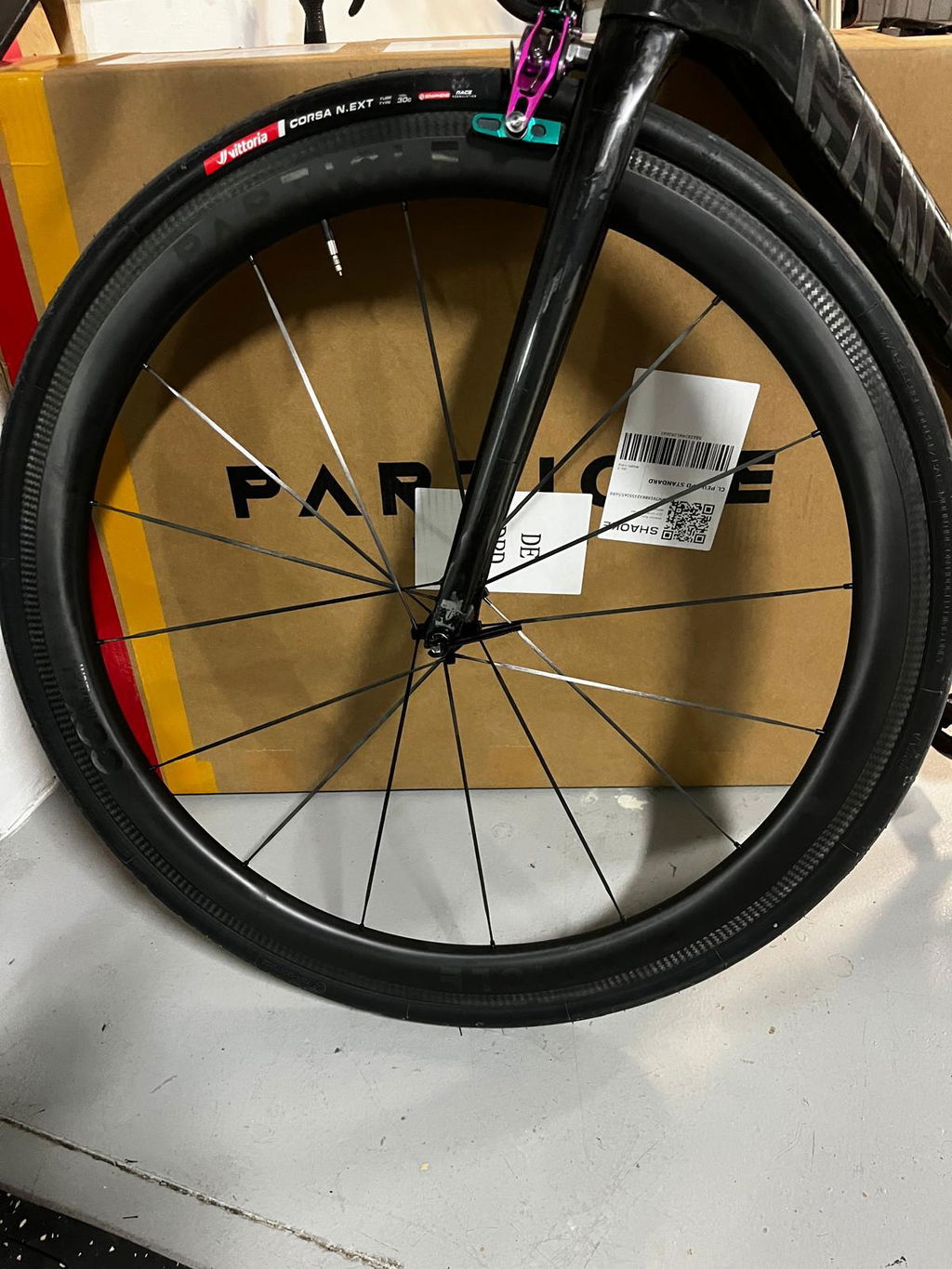
Carbon fiber wheels have revolutionized cycling performance, offering unmatched lightness and stiffness.
Yet their advanced materials and precise construction call for dedicated cleaning and maintenance to preserve braking efficiency and wheel longevity.
Proper care ensures that the performance benefits inherent to carbon wheels, including tight machining tolerances and aerodynamic advantages, remain intact ride after ride.
Why Proper Cleaning and Maintenance Matter for Carbon Wheels
Carbon wheels, built from layered carbon fiber, demand mindful attention due to their specialized brake surfaces and delicate composite structures.
Routine cleaning and maintenance preserves braking performance by keeping brake tracks clean, supporting optimal brake pad engagement and heat dissipation.
Neglect invites contamination, glazing, or damage that can degrade stopping power and risk structural harm.
Moreover, protecting precision hubs—like Particle’s AR1 and SR1—against grit is critical, as contaminants can prematurely wear out bearings and ratchets, increasing rolling resistance.
Maintenance varies between rim brake and disc brake wheels.

Essential Tools and Materials for Carbon Wheel Cleaning
Effective maintenance begins with selecting carbon-safe materials: mild, pH-neutral bike cleaners, isopropyl alcohol for brake surfaces, and non-abrasive microfiber cloths form the cleaning essentials.
Soft-bristle brushes tailored for spokes and brake areas help remove stubborn grime without scratching.
Avoid abrasive tools, harsh chemicals, and high-pressure water—which can force contaminants into sensitive hub internals.
Thanks to laser-engraved decals, Particle wheels resist peeling or damage from typical cleaning agents and scrubbing, ensuring graphics remain flawless over time.
Step-by-Step Process to Clean Carbon Fiber Wheels Safely
Begin by gently rinsing wheels using low-pressure water or a damp cloth, carefully avoiding direct high-pressure streams near hubs.
Next, apply a pH-neutral cleaner and softly scrub rims, spokes, and hub components with a soft sponge or brush until dirt lifts.
For a rim brake wheel, clean the brake surface separately with isopropyl alcohol to remove oily residues, and inspect brake pads for wear or contamination.
Disc brake rotors should also be cleaned with isopropyl alcohol, taking care not to contaminate the braking surfaces with lubricants or bare hands.
Complete the process by thoroughly drying wheels with microfiber towels, then allow them to air dry completely before reinstalling to prevent corrosion or moisture damage.
Inspecting Your Wheel's Carbon Brake Surface for Wear and Damage
On rim brake road bike wheels such as the CCX Ultralight, visual inspection of brake tracks is very important.
On carbon wheels in general, the condition of rim surfaces is crucial; look for cracks, chips, or glazing that might impair braking.
Rim brake users should verify that brake pads remain compatible with carbon fiber and replace them when worn.
Disc brake rotors require checking for warping or signs of contamination that reduce braking efficiency.
Unlike steel, Particle’s carbon spokes do not experience fatigue over time, maintaining tension and trueness longer.
Immediate cessation of riding is advised if significant brake surface damage is detected to avoid further risks.
Maintaining Spoke Tension and Wheel Trueness
Spoke tension directly influences wheel integrity and ride quality by maintaining shape and distributing loads evenly.
To assess trueness, spin the wheel slowly and observe for wobbles or irregular spoke tension.
It’s wise to check spoke tension after hard rides or impacts, as sudden shocks can loosen spokes.
Because carbon spokes and hubs are delicate, tension adjustments are best handled by professionals to prevent damage.

Monthly Carbon Wheel Maintenance Checklist
Maintain peak performance by monthly cleaning of brake surfaces and inspecting brake pads and disc rotors for wear.
Examine hubs to confirm smooth rotation and good bearing condition.
Carefully inspect rim walls for cracks, soft spots, or signs of delamination.
If running tubeless tires, refresh sealant and verify tire pressures to preserve tire and rim health, contributing to ride safety and efficiency.
Particle’s star ratchet hubs feature a tool-free servicing design, allowing easy hand removal of the freehub body for monthly cleaning and greasing of ratchets and springs, ensuring smooth engagement.

Common Mistakes to Avoid When Cleaning Carbon Wheels
- Avoid using high-pressure water near hubs and bearings as it can force moisture inside, causing premature wear.
- Harsh chemicals and abrasive tools can damage delicate carbon surfaces and brake tracks.
- Never ignore worn or contaminated brake pads—they directly impact braking performance and safety.
- Improper storage or transport without protective wheel bags risks scratches or impact damage, undermining the wheel’s structural integrity and finish.
Best Cleaning Practices for Rim Brake vs. Disc Brake Carbon Wheels
- Rim brake carbon wheels feature a high-temperature resin brake track requiring cleaning with isopropyl alcohol and maintenance using carbon-specific brake pads to preserve braking surfaces.
- Disc brake rotors also benefit from isopropyl alcohol cleaning but must be carefully handled to avoid contaminating braking surfaces with oils or lubricants.
- Brake pad material affects wear patterns and cleaning frequency—organic pads deposit different residues compared to metallic ones.
- Always avoid direct contact with lubricants or bare hands on rotors to maintain optimal braking power and minimize contamination risks.
Handling Damage: When to Repair or Replace Carbon Wheels
Early signs of damage like visible cracks, delamination, or rim wear should never be ignored.
Riding should stop immediately upon suspicion of damage to prevent catastrophic failure.
Professional assessment and manufacturer consultation are crucial for repair decisions.
Particle wheels are thoroughly tested , each being able to survive at least twice the UCI standard.
Particle’s Lifetime Crash Replacement policy offers a 25% discount on replacement components after collision damages, providing support for riders facing repair or replacement needs.
Pro Tips: Extending the Life of Your Carbon Wheelset
Use carbon-specific brake pads exclusively on rim brake wheels to maintain braking surfaces.
Store wheels in their provided wheel bags to prevent scratches and absorb shocks during transport.
Practice regular cleaning and inspection after rides, especially on rough terrain or after crashes.
Maintain tubeless tires properly inflated and refreshed with fresh sealant to promote tire and rim longevity.
It is recommended to keep your wheels stored in a wheel bag.
Particle provided non-woven bags with every wheelset for safe storage.
Answering Key Questions About Carbon Wheels
The life expectancy of carbon wheels varies widely based on usage intensity, riding conditions, and consistent maintenance practices.
WD-40 is not recommended for cleaning carbon wheels or brake surfaces due to its oily residue risks and potential to degrade braking performance.
Ceramic bearings available in SR1 hubs excel on smooth roads but are more vulnerable to off-road damage compared to steel bearings; Particle provides options for either choice.
Regular inspection remains key to maximizing wheel lifespan and rider safety.
Final Recommendations for Carbon Wheel Care
Consistent cleaning and timely maintenance safeguard the performance advantages of carbon wheels, ensuring safer rides and sustained braking power.
When damage or complex repairs arise, consulting professionals and the manufacturer safeguards investment and safety.
Making carbon wheel care a regular part of bike maintenance unlocks the full potential of these precision-engineered components on every ride.