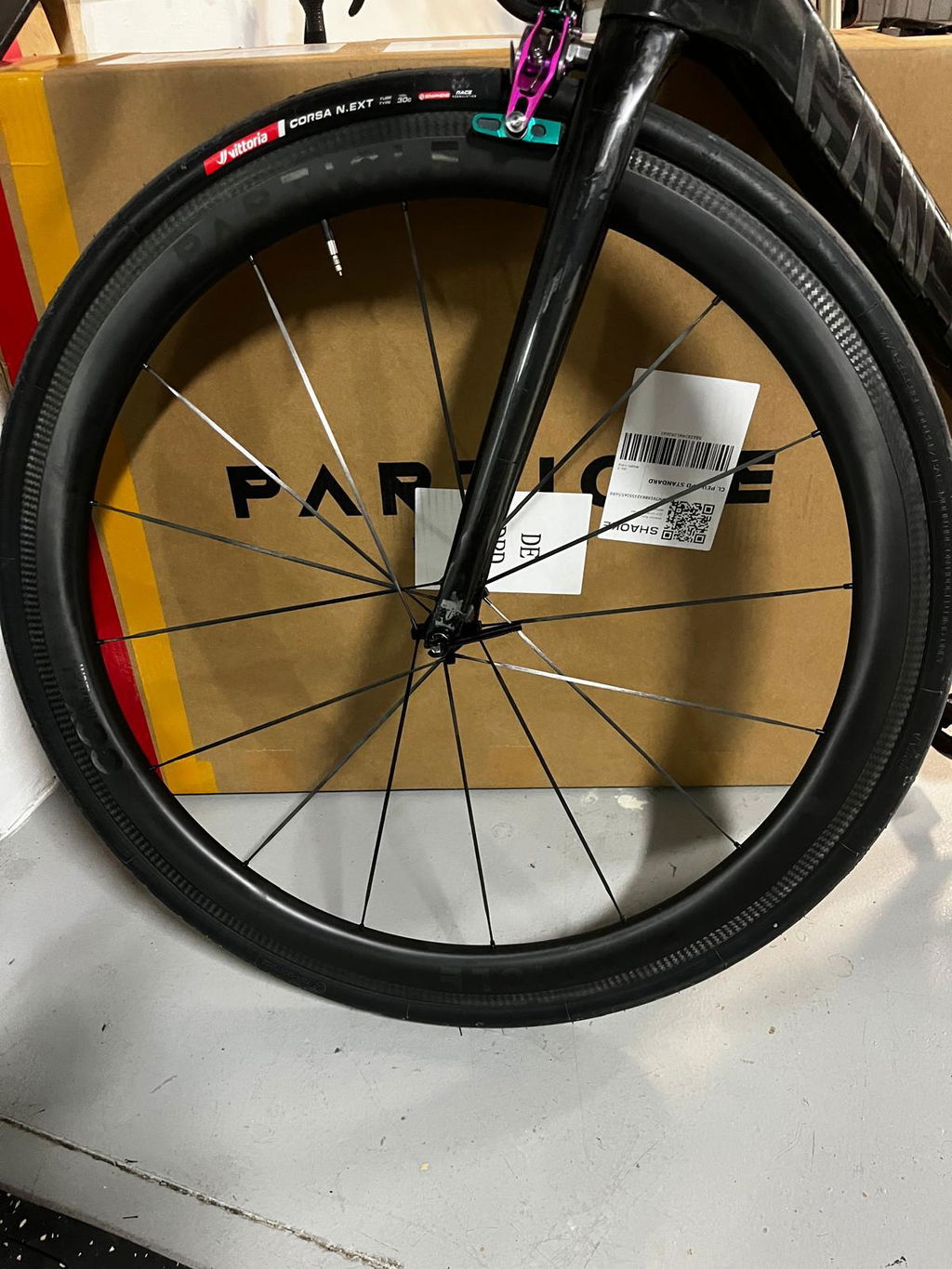
Are Cheap Carbon Road Bike Wheels Safe? A Buyer’s Guide to Risks
A set of carbon road bike wheels represents one of the most transformative modifications a cyclist can make, yet it generates the most hesitation.
The primary concern is rarely about aerodynamic efficiency or aesthetics; rather, riders ask: are cheap carbon wheels safe enough for the unpredictable stresses of daily riding, hard cornering, and high-speed descents?
The 2026 cycling market is flooded with options ranging from premium-priced heritage brands to budget-friendly, reputable direct-to-consumer alternatives, down to the ultra-cheap listings that cut critical corners on manufacturing and quality control.
While many modern options are remarkably safe, the quality gap between high-performance engineering and risky, unverified cheap chinese carbon wheels products remains wide.
This gap is defined by testing, and after-sales support.

Carbon Wheels Safe? Understanding the Manufacturing Gap
Evaluating Chinese Carbon Wheels: What Protects the Rider?
The safety profile of any carbon wheels is determined by the discipline applied during production, not the material itself. Carbon fiber is inherently resilient, but its structural integrity depends entirely on resin quality, fiber orientation, and curing consistency.-
The Core Risk: Many safety concerns stem from manufacturing defects—such as structural voids or poor fiber compaction—rather than a flaw in carbon technology itself.
-
The Reality: A well-made wheelset can survive years of real-world abuse, whereas a poorly made alternative might look identical on a sales page but fail catastrophically under load.
Price alone is a weak signal; cheap chinese carbon wheels could be a genuine bargain from a high-efficiency factory, or it could be a dangerous shortcut.
The real decision is choosing the optimal mix of high level quality control, verifiable testing, and support. To ensure this balance, quality manufacturers like Particle utilize Rider-First Engineering to optimize layups for real-world durability.
This framing is essential whether your goal is competitive racing, group training, or replacing a heavy alloy wheelset.
How Carbon Road Bike Wheels are Constructed
A high-quality carbon wheel is a complex system of integrated components:
-
The Rim Layup: Individual carbon sheets are meticulously arranged to manage lateral stiffness, vertical compliance, and impact resistance.
-
Hubs and Spokes: These components translate the rigid rim structure into a functional tool that stays true under thousands of kilograms of tension.
-
Brake-Track Quality: For rim brake models such as Particle's CCX Ultralight, the resin's heat-handling properties directly affect braking consistency and thermal wear.
Quality production depends on tight machining tolerances and repeatable molding techniques. Even if two wheels share the same weight, they will perform differently if one factory utilizes superior tooling and more rigorous inspection protocols.
Top-tier brands use advanced materials like Toray T700 and T800 carbon fiber to achieve a responsive yet forgiving ride quality.
To push performance further, advanced builders like Particle use 3rd & 4th generation carbon spokes, which are mechanically secured and fully replaceable just like steel, yet weigh as little as 2.1 grams each. This prevents the structural fatigue often associated with early-generation composite wheels.
Reputable Chinese Carbon Wheels vs. Cheap Alternatives
Xiamen: The Global Hub for Chinese Carbon Wheels
Reputable Chinese carbon wheels can be exceptionally safe when backed by stringent quality control, transparent technical specs, and verifiable testing data.
In the modern era, the country of origin is an ineffective filter for quality. Xiamen, China, has become the global hub for carbon fiber expertise, and several direct-to-consumer factory brands in Asia use advanced engineering to outperform legacy competitors.
The primary risk lies in anonymous, ultra-cheap listings found on unverified marketplaces. These products often feature unknown provenance, vague specifications, and zero customer support.
Conversely, branded products from established manufacturers explicitly publish rim depth, internal width, rider weight limits, and hub details.
This transparency suggests the company has a measurable reputation to protect. When a seller clearly explains their specific layup and axle standards, it is a much safer indicator than a flashy discount price.
Comparing "Western" Brands and Direct-to-Consumer Value
The choice between direct-to-consumer (DTC) carbon wheels and established "western" brands usually comes down to price versus service visibility.
Western Brands
"Western" brands carry higher markups due to extensive distribution networks, heavy marketing budgets, and pro team sponsorships. The buyer pays a premium for a broader local support ecosystem and higher resale value.
Direct-to-Consumer (DTC)
DTC brands offer incredible value by cutting out the middleman without cutting corners on safety. The savings stem from a more efficient business model rather than sloppy carbon work.
For cyclists seeking this balance, the Particle RCX and GCX Series carbon wheels serve as the foundation, but the true engineering distinctions lie in their targeted weight classes:
-
Particle Ultralight: Engineered for everyday performance, these wheels strike the ultimate balance between high-impact durability and rotational weight savings, making them perfect for handling aggressive group rides, varied training terrain, or long weekend miles.
-
Particle Hyperlight: The pinnacle of the lineup, utilizing a highly refined carbon structure to shed every non-essential gram. This ultra-responsive wheelset is purpose-built to deliver lightning-fast acceleration on steep alpine climbs and competitive race days.
Beyond the build, factors like responsive after-sales support and explicit protection against damage sustained during transport—guaranteed by a Lifetime Crash Replacement Policy—define the true ownership experience.
This security is reinforced by a standard 3-year warranty, with riders having the additional choice of 5-year or lifetime extended warranty upgrades for long-term rim protection
Crucially, you simply do not get this level of comprehensive support, financial protection, or long-term rider security when buying from anonymous discount brands, where a single crash or shipping mishap can render your investment completely worthless.

Red Flags: Identifying Risks in Low-Price Wheelsets
A lower price point is a smart purchase only when the wheels feature published technical specifications and clear warranty terms.
Treat suspiciously low pricing as a major red flag if the listing is vague, the brand is untraceable, or the item lacks documented testing history.
Missing technical details often hide sub-standard hubs, poor layup control, or a total lack of long-term support.
Counterfeit carbon wheels are exceptionally dangerous because buyers cannot verify the structural integrity of the laminate layers.
If a product page cannot clearly explain the rim structure, weight limits, or warranty specifics, treat it as a primary safety hazard rather than a potential bargain. Saving money is never worth the risk of a high-speed structural failure on a technical descent.
Do Carbon Wheelsets Crack Easily under Normal Use?
Generally, a high-quality rim does not crack easily under normal riding conditions. However, it can be damaged by extreme impacts or hidden manufacturing defects. It is vital to distinguish between cosmetic marks and structural failures:
-
Cosmetic Markings: Surface scuffs, minor resin blemishes, or chipped decals look unappealing but rarely affect the safety of the rim. High-quality rims using laser-engraved decals further minimize the risk of cosmetic peeling while saving weight.
-
Structural Failures: A crack that penetrates the rim wall, a soft spot near a spoke hole, or a sudden, severe loss of wheel trueness requires immediate replacement.
Rider weight, road surface quality, tire pressure, and rim depth all influence the overall risk of damage. On unpredictable pavement or gravel, a high-quality wheelset with disciplined layup control is far more important than marketing claims about toughness.
While carbon is incredibly strong, it is not indestructible. Regular inspection is the best way to ensure your wheels are safe for the long haul.
Testing Standards and the Importance of UCI-Approved Wheels
Independent testing and certification are the strongest indicators that a wheelset can handle the rigors of real-world riding.
Quality testing-and-quality-control">testing data must cover impact resistance, fatigue cycling, spoke retention, and build consistency.
While uci-approved wheels are specifically required for competitive riders racing under official governing-body rules, this approval is not the only benchmark that matters.
A wheelset can be UCI-compliant and still have mediocre warranty support, just as a non-UCI wheel can be perfectly safe for recreational use.
The most transparent brands make their testing understandable by detailing exactly what standards were used and whether the results were repeatable across multiple production cycles.
For example, some high-end rims from Particle are engineered to survive impacts of 90+ joules, which is more than twice the industry standard Vertical Impact Test.
Performance buzzwords like "aero" or "stiff" mean nothing unless the brand provides the empirical evidence to back them up. True performance must be balanced with the structural integrity required to survive harsh hits.
Hooked vs. Hookless Safety Profiles: Choosing the Right Rim Interface
When selecting modern carbon road wheels, riders must choose between hooked vs. hookless safety profiles.
Hookless rims are lighter and easier to manufacture, but they impose strict limitations on tire pressure—usually a maximum of 72.5 PSI—and are only compatible with specific tubeless tires.
For road applications where tires are run at higher pressures, hookless designs can introduce a risk of the tire blowing off the rim if guidelines are not strictly followed.
Because rider safety is paramount, many brands choose to sell only hooked rims, providing total peace of mind and maximum tire compatibility across all pressures.
A hooked rim features a bead hook flange that secures the tire bead firmly, making it compatible with a wider range of tire types, including conventional clinchers.
For riders who prioritize security during high-speed descents or prefer tire flexibility, the hooked profile remains the gold standard for road applications.

Judging Build Quality: Precision Hubs and Advanced Spokes
The safest way to purchase is to start with practical checks of the brand's strict quality control measures and hardware choices.
Real quality is visible in the small details: straight rims, perfectly even spoke tension, a clean finish, and consistent machining around the hub interfaces.
-
Hub Design: The hub dictates power transfer efficiency. Modern high-end wheels are increasingly moving toward star ratchet hubs, which utilize a larger surface area for engagement compared to traditional pawl designs. These star ratchet hubs are often machined to tolerances as tight as 0.005mm, reducing stress on bearings and improving longevity.
-
Spoke Technology: High-tensile 4th generation carbon spokes provide a massive leap forward; they are 50% lighter than steel but significantly stiffer, allowing for incredible responsiveness without the fragility of early bonded designs.
If the wheelset uses advanced features like these, buyers should confirm that spare parts are readily available for future maintenance.
A wheel is an entire support system, and seller transparency regarding axle standards and tubeless compatibility is essential for a worry-free purchase.
Are Carbon Wheelsets Worth the Investment in 2026?
For the right cyclist, carbon wheels are absolutely worth the investment. They are the ideal choice when the primary goal is to improve speed, reduce rotational weight, or sharpen the handling of the bike in a measurable way.
Racers and performance-oriented riders will notice the benefits of a carbon wheelset almost immediately, especially when upgrading from heavy, entry-level alloy wheels.
Even everyday enthusiasts may find that the improved ride quality and the "snappy" feel of a stiff wheelset make their rides more enjoyable.
However, the value of the upgrade depends on how often the bike is used and how much the rider prioritizes these specific performance gains.
Budget-conscious cyclists should be honest with themselves about whether the cost is better allocated toward a professional bike fit session or high-quality tires.

The Subjective Feel of High-Quality Carbon
A well-built carbon wheels feels immediate and responsive without ever feeling unnecessarily harsh on the road.
Acceleration comes on quickly during sprints, cornering feels significantly more confident, and the bike tends to hold a cleaner, more direct line through fast changes of direction.
A quality product also sounds and behaves like a finished tool: it remains true over time, the spokes maintain even tension, and the finish is impeccable around the valve holes and edges.
That said, the subjective ride feel is only one part of the total picture. A wheelset can feel fast in a sprint and still require an objective inspection to ensure its continued safety.
The best sign of a quality build is not just the initial liveliness on a first ride, but the consistency of the performance over thousands of kilometers.
If the bearings continue to run smoothly and the spoke bed shows no signs of odd wear, the manufacturer has likely done their job well.
Trusting equipment that has undergone rigorous laboratory testing allows you to focus on the ride rather than worrying about the gear.
Final Buyer Checklist: Analyzing Customer Review Data and Safety Specs
Buying Guide: How to Evaluate Quality in Chinese Carbon Wheels
The safest path for any buyer is simple, even if the market itself is complex. Reading a legitimate customer review, especially one that includes long-term performance data, is one of the best ways to gauge the true quality of a brand.
Before clicking the "buy" button, confirm compatibility for your axle type, brake system, and intended tire width. When the carbon wheels finally arrive, inspect them carefully for any cracks or shipping damage before mounting tires.
After any hard impacts or accidents, riders should inspect their carbon wheels again rather than assuming that structural damage will be obvious to the naked eye. Key criteria to look for include:
-
Verifiable testing proof and [uci-approved wheels] status for competition.
-
Documented impact resistance (minimum 80-90 joules).
-
Clear warranty terms (minimum 3 years) and a lifetime crash replacement policy.
-
Availability of proprietary spare parts like 4th generation carbon spokes.
-
A responsive customer service team that can handle shipment or technical queries.
Conclusion: Balancing Safety and Speed
By prioritizing brands that utilize the strictest of quality control and rigorous testing, riders can significantly mitigate the risks associated with modern carbon engineering.
Whether you are eyeing high-end offerings from traditional western brands or exploring the impressive value of direct-to-consumer Chinese carbon wheels, the key is to look for the engineering discipline that separates a safe performance tool from a generic, unverified rim—forcing the rider to ultimately ask themselves: "What do I want my experience of ownership to be like?"
A high-quality wheelset is more than just a way to save grams; it is an investment in your confidence on the road.
When you are descending at 70 km/h, knowing that your wheels are safe and built to exceed industry standards is the most important performance metric of all.
Take the time to research, verify the testing data, and choose a brand that values your safety as much as your speed.
With the right knowledge and a disciplined approach to the buying process, you can enjoy all the transformative benefits of carbon fiber without compromising your peace of mind or safety.