Carbon wheels can change a bike’s character fast, which is why they attract so much attention from road, gravel, and mountain riders.
The problem is that the best wheels for one rider can be the wrong call for another. Before spending premium money, it helps to understand what carbon actually changes, where the real gains show up, and which common mistakes create buyer regret.
This guide breaks down the tradeoffs in plain language so the choice feels clearer, whether the goal is speed, durability, or better ride feel.

Why Carbon Wheels Are Worth Considering
Carbon vs Alloy
Carbon wheels are rims and wheelsets built from carbon fiber rather than aluminum alloy, and that material shift is usually why riders start shopping in the first place.
Compared with alloy, carbon can be shaped more freely, tuned for stiffness, and built lighter in places where performance matters. That combination gives carbon wheels a premium feel that many riders notice on the first climb or sprint.
For some, the appeal is pure speed; for others, it is the sharper response, cleaner finish, and confidence that comes with a high-end upgrade. The important part is setting expectations early: carbon wheels can improve certain parts of the ride, but they are not a universal solution. A rider chasing faster climbing may value low weight, while someone who spends more time descending rough roads may care more about stability and impact resistance.
On dirt or gravel, the question shifts again toward comfort, tire support, and durability. Carbon can be excellent, but the best purchase is the one that matches the terrain and the rider’s priorities instead of just the most impressive spec sheet.
What Carbon Actually Changes on the Bike
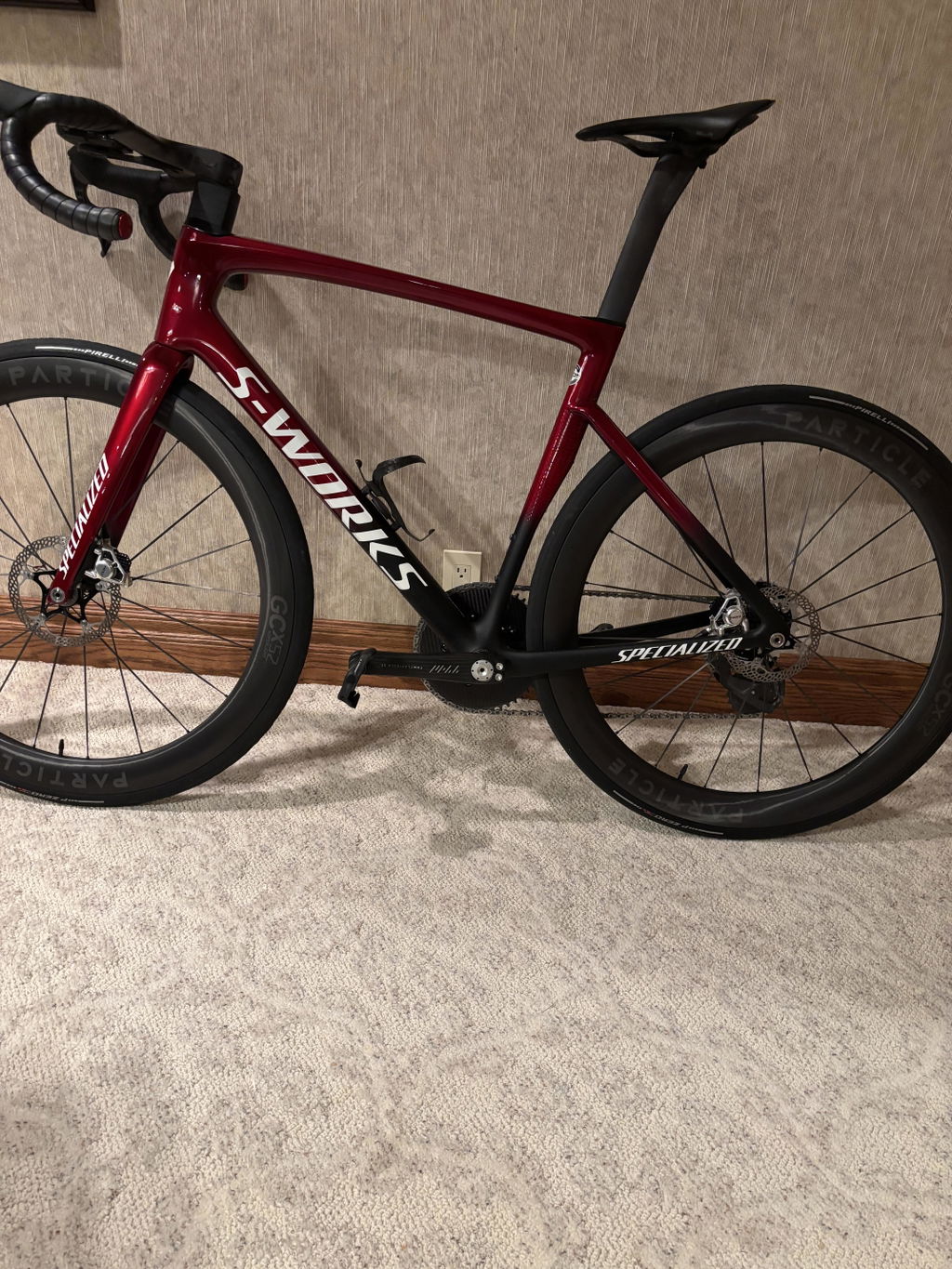
Wheel weight directly influences how lively a bike feels. Lighter wheelsets take less effort to spin up, which you notice most when snapping out of corners, tackling steep grades, or responding to a sudden attack. Models like the Particle RCX27 Hyperlight push this advantage to the absolute limit. Weighing a mere 835 grams for the pair, it is the world's lightest UCI-approved wheelset—perfectly illustrating how shedding rotational mass transforms a bike's responsiveness the moment you step on the pedals. Despite the low weight of these wheels, they have survived an 85-joule vertical impact test, more than twice the UCI's requirement. That makes these wheels suitable for everyday riding, not just climbing.

Stiffness also matters because a wheel that resists flex feels instantly responsive under load, especially during explosive sprints or hard cornering. For riders who prioritize pure power transfer and absolute durability over marginal weight savings, Particle engineered the Team series. Models like the GCX Team and RCX Team feature the brand's most laterally stiff rim profiles. Built to handle punishing efforts, these wheelsets boast a massive 140kg (308 lbs) system weight limit—making them the definitive choice for powerful riders who demand unyielding stability.
Still, the wheel is only one part of the system. Frame geometry, fork stiffness, hub design, tire choice, and even rider position all shape what the bike feels like on the road or trail.
In many cases, tire pressure and casing selection influence comfort a great deal as well. A supple tire at the right pressure can soften chatter, increase traction, and make a wheel feel more forgiving, while a harsh tire setup can make even a premium carbon wheel feel stiff and busy.
That is why it helps to think in terms of whole-bike behavior instead of relying on the rim alone to create the ride.
Who Benefits Most from Carbon Wheelsets
Riders who care about speed, climb often, or race regularly are usually the most obvious candidates for carbon wheels. The reduced weight and crisp response can make a noticeable difference in events where every small gain counts.
Heavier riders or aggressive riders may value a stronger, stiffer build more than a pure lightweight race wheel, especially if they push hard through corners or land rougher lines. Trail type also changes the value equation.
Smooth roads, rolling gravel, and fast XC courses tend to reward light, responsive wheelsets more than broken pavement or repeated rock strikes. A commuter on chipseal may not need a race-focused rim depth, while a gravel racer on long mixed-terrain events may find the balance of stiffness and comfort worthwhile.
A rider who rarely notices wheel flex on an alloy set may not need carbon yet, but someone who consistently feels lag during climbing or sprinting could justify the upgrade more easily.
Carbon Wheelset Pros and Cons
The strongest case for carbon wheels is not that they are automatically better, but that they solve certain performance problems very well.
That makes a balanced view essential. Carbon can improve acceleration, support larger modern tires, hold a clean finish longer than soft alloy rims, and give a bike a more refined feel under power.
At the same time, the price jump is real, repairs can be more complicated, and some builds can feel harsher than riders expect. The smartest comparison is not carbon versus alloy in the abstract; it is whether a specific set of wheels offers enough performance, confidence, and longevity to justify the money.
A good carbon wheel can be excellent for racing, climbing, or aggressive all-road riding, while a poorly matched one can feel expensive without feeling truly better. That tradeoff is where buyers need to stay objective.
The Shift Toward Market Transparency
This gap between arbitrary spec sheets and actual rider needs is why the industry is seeing a shift toward total manufacturing transparency. Brands like Particle are challenging the traditional premium markup by offering elite, high-end performance at an honest, reasonable price.
By being completely open about their business model—contracting production directly to specialized, world-class factories rather than hiding behind marketing jargon—they eliminate luxury inflation.
This transparent approach shifts the focus away from industry hype and back to what actually matters: delivering precise, specialized engineering tailored directly to a rider's specific terrain and priorities.
Main Advantages to Expect
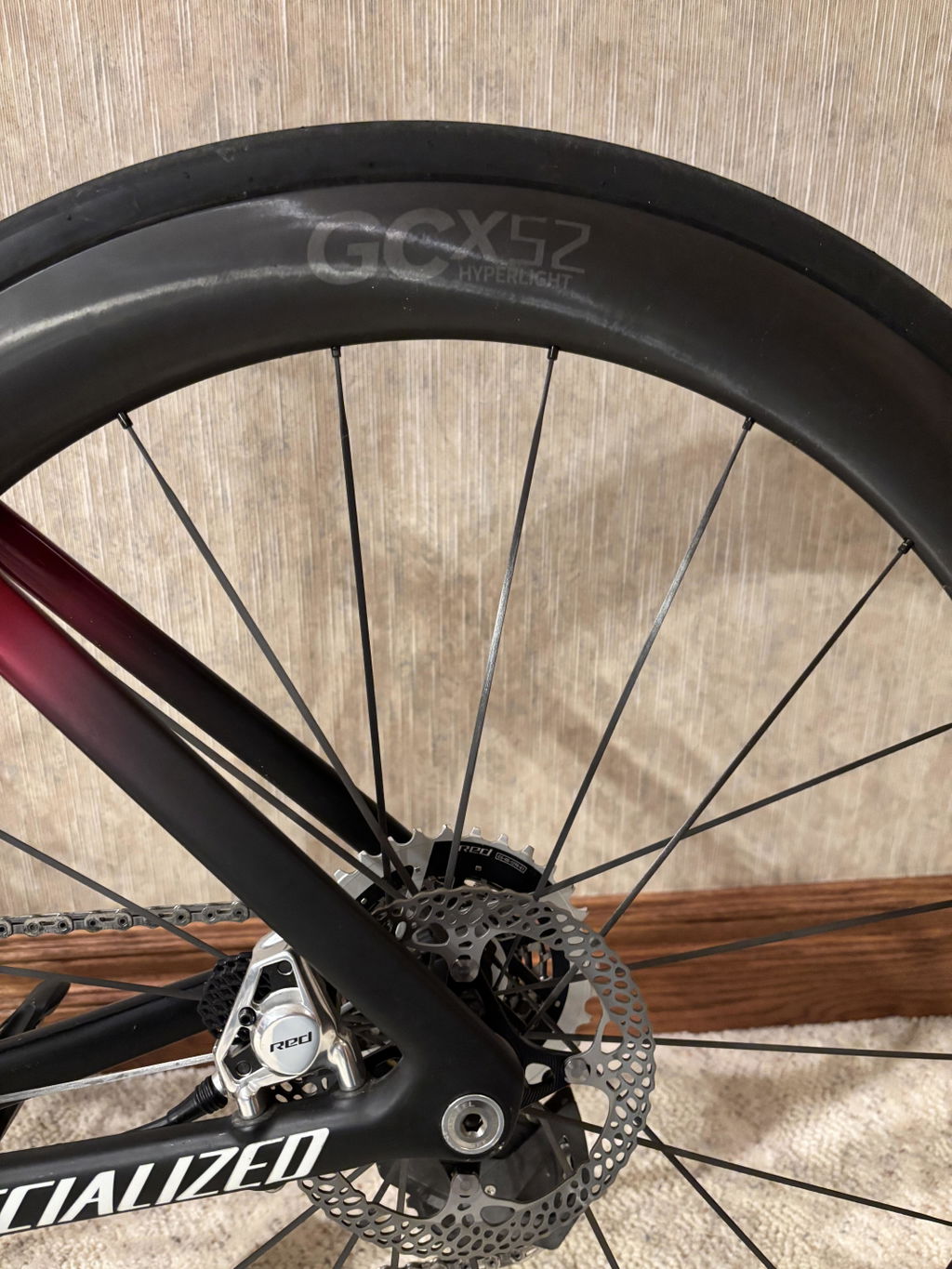
Carbon can improve responsiveness because many wheelsets save rotating weight while maintaining a high lateral stiffness level. For example, using a unidirectional raw finish—as seen on Particle's rims—saves significant weight by completely eliminating the need for heavy paints or extra cosmetic carbon layers.
That combination can make a bike feel quicker when accelerating and more precise when carving through a corner. Riders often describe the sensation as “snappier,” especially on climbs or during repeated efforts.
Better power transfer is another commonly cited benefit, though it is better understood as reduced flex and more direct feedback rather than a magical speed boost.
Low maintenance can also be a plus. Carbon rims do not dent the same way alloy rims often do, and a well-built wheel can stay true for a long time if the use case matches the design.
Aesthetics matter too; many riders simply prefer the clean look of carbon wheels, laser engraved decals, and the premium finish of a modern wheel. Rather than using traditional water-slide decals, brands like Particle utilize precision laser engraving.
This permanently etches the graphics into the rim, which not only saves weight and reduces plastic waste, but also ensures a durable, minimalistic modern look that will never peel or wear off over time.
The catch is that these benefits vary widely by rim profile, spoke layout, hub quality, and rider weight, so two carbon wheelsets can feel very different.
Main Drawbacks to Know
Price is the obvious downside. Carbon wheels usually cost far more than alloy options, and the leap in performance is not always proportional to the money spent.
Some riders also find certain carbon builds harsher, especially if the rim is very stiff, the tire setup is too firm, or the bike itself is already unforgiving. Repairability is another concern. A damaged alloy rim can sometimes be bent, dented, or replaced with less drama, while carbon impact damage may lead to a costly repair or full replacement.
However, newer component technology is solving this issue. For instance, Particle’s 4th-generation carbon spokes offer a "best of both worlds" scenario: they are 50% lighter than top-tier steel spokes, yet they provide the same structural compliance and forgiving ride quality that riders rely on for long days in the saddle.
For riders in rocky terrain or in a park environment, that risk matters. Durability depends heavily on layup, width, spoke count, and intended use, so a lightweight race rim is not the right choice for every rider. In short, carbon can be a smart upgrade, but it works best when the buyer values the right strengths and accepts the right compromises.
How to Choose the Right Carbon Wheelset
Choosing a carbon wheelset becomes much easier once the decision is broken into a few practical filters. Start with where the bike is used, then narrow by rim shape, hub performance, spoke configuration, and the balance between weight and toughness.
Those choices affect everything from climbing efficiency to cornering feel to how often the wheels need attention over time. The biggest mistake is treating all carbon wheels as if they were interchangeable.
A deep road wheel, a wide gravel wheelset, and a trail-ready mountain bike wheel can all be carbon, but they solve very different problems. That is why the best purchase process is less about chasing one winning spec and more about matching the wheels to the riding reality.
Riding Discipline and Terrain
Different disciplines ask for different compromises. XC riders often want a light, quick-accelerating wheelset that climbs efficiently and feels responsive in short bursts.
Trail riders may need a sturdier build that can handle rough landings, repeated hits, and more aggressive cornering. Enduro riders usually benefit from more compliance and impact protection than a pure race wheel can offer.
Gravel riders face another balancing act: enough stiffness for loaded bikepacking or fast race efforts, but enough compliance to stay comfortable over washboard and broken surfaces.
Road cyclists, especially those focused on speed, may prioritize aerodynamics, low rolling resistance, and a stable feel in crosswinds. Rough terrain generally rewards some forgiveness in the wheel, because too much stiffness can reduce traction and make the bike feel nervous.
Smooth terrain can reward a firmer, lighter wheel because energy losses and harshness are less of a concern. Matching the wheel to the terrain is one of the clearest ways to avoid regret.
Rim Width, Depth, and Shape
Internal rim width affects how a tire sits, which changes sidewall support, cornering confidence, and the overall shape of the contact patch. Wider rims can make modern tires feel more stable and can allow lower pressures without as much squirm.
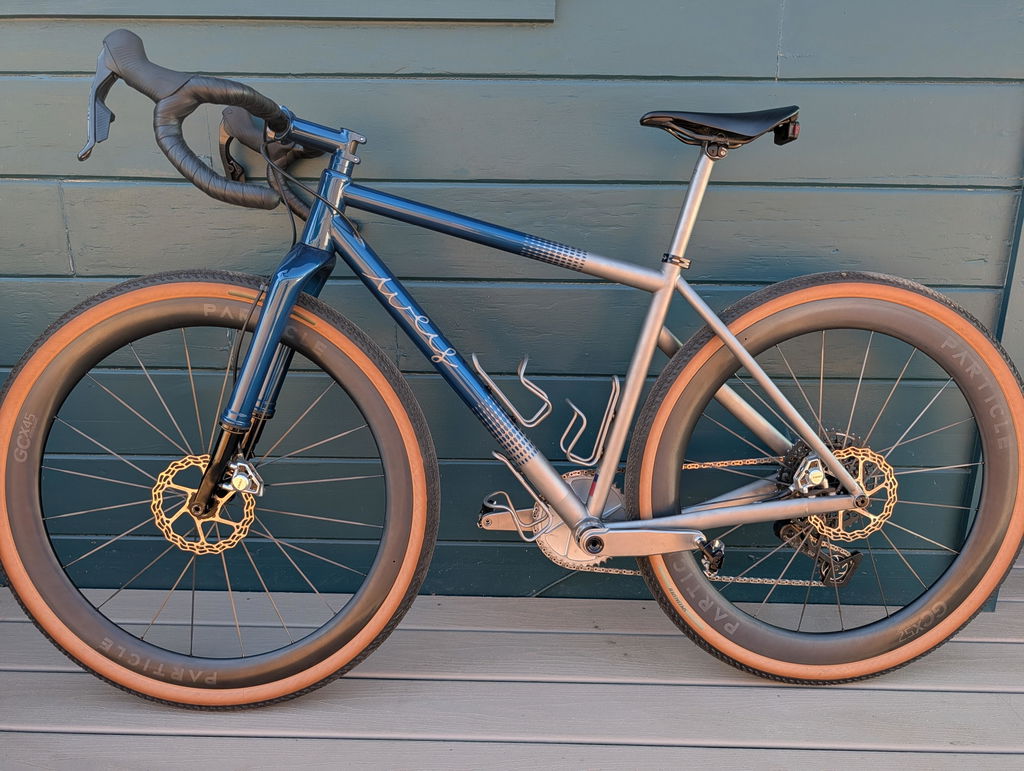
That can be a real advantage for gravel and mountain bike wheels, and even on road bikes it can improve comfort and control with larger tires. Particle’s GCX series highlights this trend by utilizing a 25mm internal rim width, a design choice optimized for 28c–32c tires to drastically improve grip, comfort, and aerodynamics.
Rim depth plays a different role. Deeper rims can feel faster in the right conditions because they may improve aerodynamics and give the bike a more planted sensation at speed. Shallow rims tend to be lighter and often less affected by crosswinds, which some riders prefer on hilly or variable courses.
To counter crosswind instability, modern industry standards have shifted away from older V-shaped profiles toward U-shaped and UV-shaped rim designs, which Particle uses to manage side forces predictably and ensure stable handling.
A wide, race-focused wheel may feel amazing in competition but overly rigid for long mixed-terrain days. More forgiving all-round options are often better for riders who want one wheelset to do everything.
The important warning is not to choose width or depth only because it sounds modern or aggressive. The right dimensions should match the tire size, terrain, and the way the bike is actually used.
Spoke Count, Lacing, and Hub Quality
Spoke count influences stiffness, durability, and how easy the wheel is to service. Fewer spokes can save weight and look sleek, but they also put more load on each component and can be less forgiving if the wheel is abused.
More spokes usually add strength and peace of mind, especially for heavier riders or rougher terrain, though they can slightly increase weight. Lacing pattern and spoke choice matter too because they affect how loads move through the wheel.
Hub quality is just as important, especially for climbing and technical riding where quick engagement helps the rider put power down cleanly after coasting or ratcheting through obstacles.
A wheel with a great rim but poor hub and inconsistent build quality can be disappointing. That is why the best approach is to evaluate the whole wheel, not only the rim material or appearance.
Tight machining tolerances, smooth bearings, and a dependable ratchet or engagement system often matter more in day-to-day riding than a small weight difference on paper.
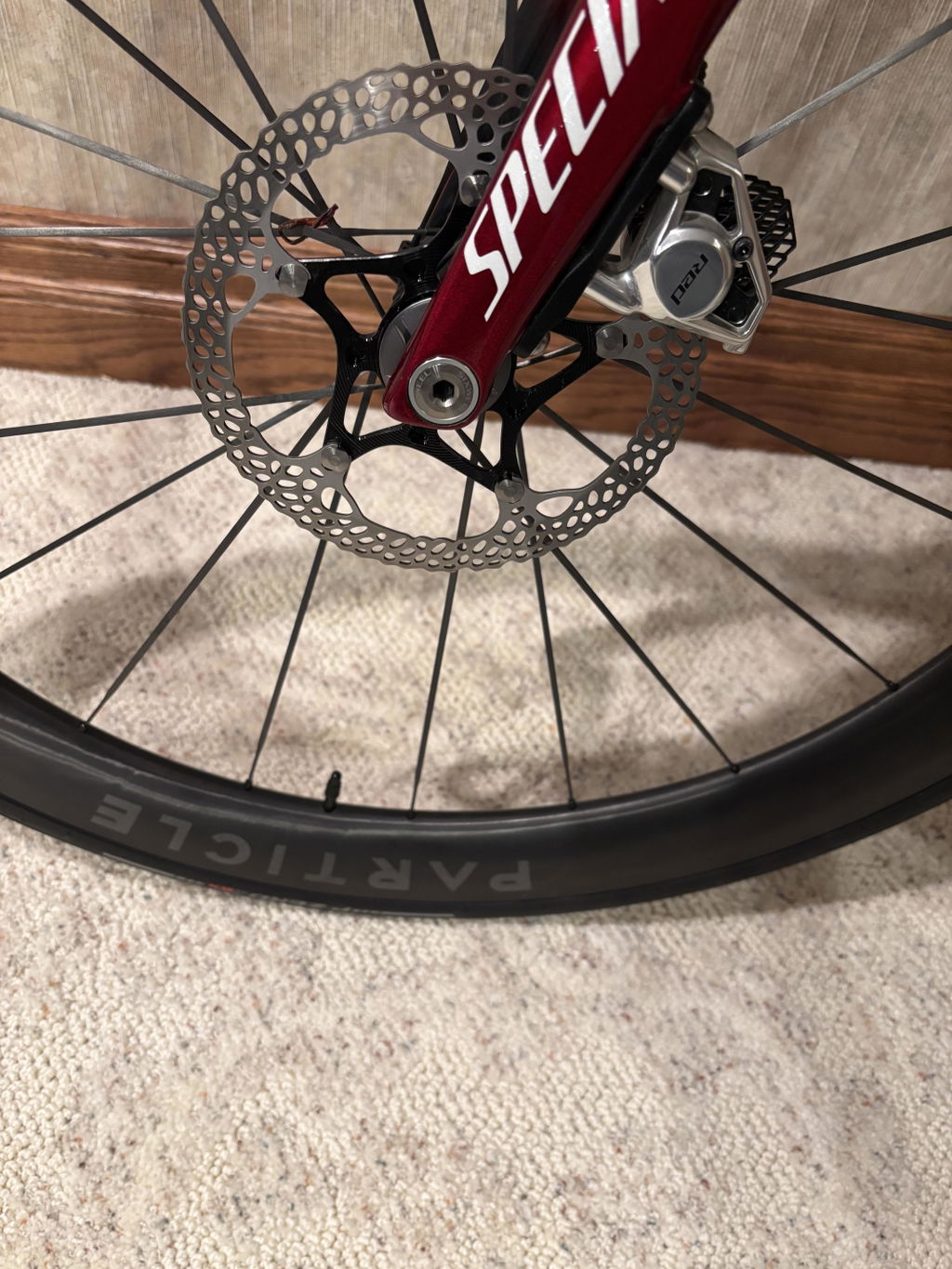
Particle defines this benchmark by machining its hub shells to extreme tolerances of 0.005mm and 0.003mm, a level of precision that eliminates internal misalignment, dramatically lowers rolling resistance, and extends bearing life.
Furthermore, their hubs utilize a star ratchet system—widely considered the industry gold standard. Because it requires zero tools to service, riders can easily maintain the hub or make it completely new again over years of heavy use by simply swapping out the ratchets.
Weight Versus Durability Tradeoff
Ultra-light wheels are tempting because the numbers look impressive, and on the right course they can feel very fast. But lighter does not automatically mean better, especially on rough roads, gravel, or trail use.
A very light rim can be less forgiving under impact and may not hold up as well to repeated hard hits. More robust builds can add a bit of weight, but they often provide better long-term value, lower stress, and fewer worries when the terrain gets ugly.
Rider size also matters. A larger or more aggressive rider may need a stronger wheel to avoid premature wear or damage, while a smaller rider may get away with a lighter build.
It helps to think in terms of total ownership cost rather than just the purchase price. Spending more for a fragile wheel that needs replacement sooner is rarely better than choosing a slightly sturdier option that stays reliable.
Particle directly challenges this tradeoff by proving that lightweight builds can still exceed extreme safety standards; their entire wheel lineup—ranging from ultra-light climbing sets at just 835g to robust 1400g options—undergoes a punishing 90-joule vertical impact test, which delivers more than twice the destructive force required by the industry-standard UCI test of 40 joules.
Fit, Stiffness, and Ride Feel
Ride feel is the combined sensation a bike gives back through the pedals, bars, and saddle when it moves over pavement or dirt.
It includes how quickly the bike responds, how much vibration reaches the rider, how confident the wheels feel in corners, and how stable the bike is when loaded under power.
Stiffness, compliance, and damping all play different roles in that experience. Stiffness is about how much a wheel resists flex.
Compliance is the ability to absorb small irregularities without feeling harsh. Damping is how quickly vibrations settle down after hitting roughness. A wheel can be stiff without being comfortable, comfortable without being especially fast, or balanced enough to do both reasonably well.
The goal is not to find the stiffest possible wheel; it is to find the right behavior for the frame, tires, riding surface, and rider. That whole-system view prevents a lot of expensive guessing.

Why Stiffness Is Not Always Better
Too much stiffness can make a bike feel nervous or tiring over time, especially on rough roads or choppy trail surfaces.
Instead of smoothing the ride, a very rigid wheel can transmit more vibration and reduce traction when the tires are asked to follow uneven ground.
That can be a problem in corners, on washboard, or when climbing out of the saddle on imperfect surfaces. Some riders love a very firm, direct set of wheels because it gives immediate feedback and a race-ready feel. Others prefer a more muted wheel that takes the edge off repeated hits and keeps the bike calm when the pace gets long.
In real-world riding, comfort and control often matter as much as raw responsiveness. A wheel that saves a few grams but leaves the rider fatigued by mile 40 may not be the better product. That is especially true for riders who spend long days on the bike rather than short, explosive efforts.
How Rider Weight Changes the Equation
Rider weight changes how a wheel loads under power, how much flex is noticed, and how much pressure is needed in the tires.
A lightweight rider may find a stiff wheel perfectly controlled, while a heavier rider may appreciate the same wheel because it finally feels stable enough. The opposite can also happen: a firm wheel that feels lively to one rider may feel too harsh to another.
That is why weight ratings and intended-use ranges matter. Aggression level matters too. A smoother rider who stays seated and picks lines carefully may be able to choose a lighter build, while a rider who attacks climbs, sprints often, or rides rougher descents may need more reserve strength.
Tire pressure interacts with all of this. Lower pressure can add comfort and grip, but only if the rim and tire support that setup safely. For a purchase decision, body weight, riding style, and tire choice should be considered together rather than separately.
Why Bike Setup Matters More Than You Think
Suspension setup can hide or exaggerate wheel traits on a mountain bike. Too much compression damping or a poorly set sag point can make a wheel feel harsher than it really is.
Tire casing and pressure often have an even bigger effect. A tougher casing with the right volume can provide a smoother, more controlled ride than a lighter casing on a premium rim.
Inserts can change the equation again by adding rim protection and letting riders run lower pressures with more confidence. On gravel and road bikes, the tire itself may be the biggest comfort lever available.
That means a wheel upgrade should be judged only after the rest of the setup is reasonably dialed in. Small changes to pressure, tire model, or suspension tune are often cheaper and more revealing than immediately assuming the wheel is the issue.
A carbon wheel can absolutely improve ride feel, but it should fit into a good setup rather than being expected to solve everything on its own.
Common Mistakes When Buying a Carbon Wheelset
The most expensive wheel purchase mistakes are usually not technical; they are mismatches between what the rider expects and what the wheels actually deliver.
Marketing tends to highlight the best-case scenario, but real ownership depends on fit, use case, durability, and support. Buyers often chase light weight, ignore compatibility, or underestimate how much warranty terms matter when something goes wrong.
Others pick a set of wheels because it sounds fast without considering whether it suits the bike or the terrain. Each of these mistakes is avoidable with a little more skepticism and a little less impulse.
That matters because carbon wheels are a major purchase, and the wrong choice can feel expensive for a long time.
Buying for Weight Alone
Chasing the lightest wheels can backfire quickly on rough roads or trails. Very light builds often sacrifice impact tolerance or long-term resilience, and the rider may end up spending more on repairs or replacements later.
On a smooth race course, the weight savings might be worthwhile. On broken pavement or rocky singletrack, the same wheel may feel fragile and stressful to own.
The right comparison is not only grams saved; it is performance gained versus durability lost. A slightly heavier wheel that stays true, survives abuse, and delivers better confidence can be the faster option across a season.
It is usually smarter to balance weight with strength and reliability rather than buying the most aggressive spec on the page.
Ignoring Wheel Compatibility
Compatibility checks sound boring, but they prevent the most frustrating mistakes. Axle standards, rotor mounts, cassette fit, and tire clearance all need to line up before a wheelset is ordered.
Frame and fork limits matter too, especially on older bikes or frames with narrow clearances. Some carbon wheels are designed around modern wide tires, specific brake systems, or particular hub bodies, and assuming universal fit can lead to return headaches.
A simple checklist helps: verify axle type, brake type, freehub body, tire size, and clearance before paying. If any of those pieces are uncertain, the risk of an expensive mismatch is too high. Carbon wheels should make the bike better, not create a pile of extra parts problems.
Overlooking Warranty and Crash Replacement
Warranty terms are a major part of the purchase, not a side note. Premium carbon wheels should come with clear support for defects, reasonable claim procedures, and some form of crash replacement if the brand offers it.
The details matter: lifetime coverage sounds great until the fine print limits what it actually protects, and a crash replacement program is only useful if the cost and turnaround are fair.
Fast support can matter almost as much as product quality, especially for racers or frequent riders who cannot leave the bike down for weeks.
Before paying a premium price, it is worth reading the terms carefully and saving proof of purchase. A great pair of wheels backed by weak support is not as strong a value as it first appears.
Particle defines what clear, rider-first support looks like by providing a 3-year standard warranty with options to extend coverage to 5 years or full lifetime protection on their rims.
Additionally, their Lifetime Crash Replacement Policy ensures long-term peace of mind for the original owner by offering a 25% discount on all replacement components—including rims, spokes, and hubs—no matter how the damage occurred on the road or trail.
This comprehensive approach highlights Particle's core focus: merging cutting-edge Eastern carbon manufacturing tech and rigorous safety standards with highly responsive, Western-standard customer service.
By bridging these two worlds seamlessly, they protect the rider's investment while delivering unmatched value and uncompromising product safety directly to the consumer.
Choosing the Wrong Wheel for the Wrong Bike
Wheel character has to match bike character. An aggressive, ultra-stiff set of wheel can feel out of place on a flexy frame, while a more compliant wheel might better suit a bike already known for a firm rear end or a lively front triangle.
The same wheels can feel excellent on one bike and awkward on another because geometry, fork compliance, tire space, and riding position all change the result.
This is why a whole-system mindset matters. A wheel that feels ideal on a race bike may be too much on a comfort-oriented setup, and vice versa. The smartest buyers think about how the wheel complements the frame instead of treating it as a standalone upgrade.
What to Look for When Buying Used Carbon Wheels
Used carbon wheels can be a smart way to save money, but the inspection has to be more careful than it would be for alloy.
The biggest issue is hidden damage. Carbon may look fine from a distance while still having impact problems, delamination, or repaired areas that affect safety.
A used wheelset can still be a great buy if the history is clear, the build is clean, and the seller can answer detailed questions. Bargain pricing should never outweigh confidence in condition.
For a premium component that carries real load and safety risk, the inspection process is part of the value.
Inspect the Rim for Cracks and Impact Damage
Start with a slow visual check of the bead hook or hookless edge, spoke holes, sidewalls, and any areas near decals or repairs.
Look for cracks, chips that seem to go deeper than surface paint, soft spots, delamination, and signs of impact marks that may have been filled or covered.
Small damage can hide bigger structural problems, especially if the wheel was ridden after a crash. A clean cosmetic finish is not enough if the rim history is unclear.
If the seller cannot explain where the wheels were used or whether they were ever hit hard, it is reasonable to walk away. That caution is especially important for carbon wheels used in mountain bike or gravel settings, where impacts are more common.
Check True, Tension, and Hub Condition
Spin each wheel slowly and listen for wobble, bearing noise, or rough spots. A wheel that is out of true may still be serviceable, but uneven spoke tension can suggest hard use, poor assembly, or a wheel that has been repeatedly stressed.
Check hub engagement by hand and confirm that the freehub body turns smoothly without grinding or delay. Inspect axle interfaces for wear and make sure the bearings feel crisp rather than gritty.
A used carbon wheelset should still feel predictable and precise, not vague or tired. If the wheel flexes unusually, clicks under load, or has an inconsistent feel when spun, those are warning signs worth taking seriously.
Ask the Right Seller Questions
The best used-wheel deals usually come from sellers who can answer direct questions clearly. Ask about crash history, rider weight, mileage, storage, and whether the wheels have been repaired or rebuilt.
Ask for proof of purchase and whether any warranty transfer is possible, because some brands require documentation.
Honest answers are often more valuable than perfect cosmetics, especially if the seller can explain how the wheels were ridden and maintained.
Before money changes hands, document serial numbers, photos, and any agreements about condition or returns. That small amount of diligence can protect against a very expensive mistake.
Carbon Wheelset Features Worth Paying For
Not every premium feature adds equal value, and that is especially true in carbon wheels where branding can blur the line between meaningful engineering and marketing polish.
The features worth paying for are the ones that improve strength, reliability, setup, and support over time.
Things that merely look flashy are much less important.
For many riders, the most useful upgrades are in the build, the hubs, and the interface with modern tires rather than in cosmetic extras. Buying the right wheelset means spending where the ride and ownership experience actually improve.
Build Quality and Assembly Standards
Even an excellent rim can underperform if the wheel build is inconsistent. Spoke quality, nipple choice, tension balance, and overall assembly accuracy all affect how the wheel rides and how long it stays serviceable.
A well-built wheel holds true better, distributes load more evenly, and feels more predictable under power. That matters whether the wheelset is factory assembled or custom built by a shop.
Reputable assembly and strong quality control are especially important for riders who demand reliability on long rides or race days. Tight machining tolerances and careful tensioning often separate a wheelset that feels premium from one that merely looks premium.
Hub Engagement and Bearing Quality
Hub engagement can make a real difference in technical climbs, tight switchbacks, and stop-start riding where power has to be applied immediately after coasting. Faster engagement helps the bike respond more cleanly, especially in mountain bike, gravel, or urban riding where rhythm changes constantly.
Bearing quality also matters for long-term reliability and smoothness. Better bearings reduce drag, stay quieter, and often hold up better under bad weather or high mileage.
Budget hubs can still be fine for casual use, but premium hubs with star ratchet or similar designs can improve the whole wheelset experience.
Hub quality is one of those details riders notice more after living with the wheels than when reading the spec sheet.

Width, Insert Compatibility, and Tire Support
Wider rims often pair better with today’s tire sizes because they improve tire shape, sidewall support, and stability at lower pressures.
That is especially useful for gravel and mountain bike applications where traction and casing support matter a lot.
Insert compatibility is worth considering if the riding includes hard impacts, sharp rocks, or frequent rim strikes, but inserts also add weight and setup complexity.
Some riders benefit from that extra protection, while others simply do not need it. Tubeless compatibility is another feature that should be checked carefully, since bead security and ease of setup can vary by rim design.
The best wheels are the ones that makes tire setup easier, not harder, and supports the pressure range and tire models the rider actually uses.
When Carbon is Not the Best Choice
Riders on Very Rough or Frequent Impact Terrain
On very rough trails, repeated hits, park laps, or enduro-style riding, alloy can feel more forgiving and easier to live with.
Dent resistance and simpler repair options may matter more than shaving a few grams. Toughness often wins over weight when the terrain is relentless.
For riders who regularly strike rocks, case lips, or land hard, a durable set of alloy wheels can reduce stress and keep the bike on the trail longer.
That is not an anti-carbon argument; it is a reminder that the best material depends on the punishment it has to absorb. In harsh conditions, practicality can be the better performance choice.
Environmental Sustainability and Long-Term Value
-
Eco-Friendly Manufacturing: Look for production methods that minimize waste, such as the use of biodegradable release agents in the molds and unidirectional raw finishes that save weight by eliminating the need for extra cosmetic carbon layers or heavy paints.
-
Durability as Sustainability: The most sustainable product is one that doesn't need to be replaced. Rims engineered to survive more than twice the force of the standard UCI Vertical Impact Test are less likely to end up in a landfill. Features like reinforced spoke holes further ensure structural integrity and a longer lifespan.
-
The Right to Repair: To avoid throwing away an entire wheelset due to one broken part, prioritize systems with replaceable carbon spokes and star ratchet hubs. A star ratchet hub is particularly sustainable because it can be "made new again" by simply swapping the internal ratchets, rather than replacing the entire hub body.
-
Local Sourcing: Reducing the carbon footprint of transport is also key. Brands that utilize local sourcing—keeping the production of rims, spokes, and hubs within a small radius of the assembly site—significantly reduce logistics-related emissions.
- Philanthropy: Beyond the product itself, some brands contribute to social sustainability by dedicating a portion of their success—such as 10% of profits—to organizations like World Bicycle Relief, which uses the power of bicycles to provide mobility to those in need.
Final Buying Checklist for a Carbon Wheelset
Before buying carbon wheels, match the wheels to the terrain, confirm bike compatibility, and weigh stiffness against durability instead of chasing the lightest option. Check warranty terms, crash replacement support, and, for used wheels, inspect the rim, hubs, and spoke tension carefully.
If the fit is right and the use case makes sense, carbon wheels can be a strong upgrade. If not, waiting is often the smartest purchase.