Gravel Bike vs Road Bike: Which Should You Get?
If you are asking "should I get a gravel bike or a road bike?", the quickest way to decide is to look at where you actually ride, not where you imagine riding. A road bike rewards smooth pavement with speed. A gravel bike gives you confidence when the route turns rough, loose, or unpredictable.
This guide compares the two on geometry, tires, speed, and comfort, then helps you match the right bike to your riding. If you are new to riding off pavement, our guide to gravel riding for beginners is a good place to start.

Gravel Bike vs. Road Bike: The Short Answer
Choose a road bike if almost all of your riding is on smooth pavement and you care most about speed, group rides, or racing.
Choose a gravel bike if your rides regularly include rough roads, dirt paths, or unpaved shortcuts, or if you want one bike that can do a bit of everything.
If you are unsure, think about your least predictable ride rather than your best one. The bike that handles that ride comfortably is usually the one you will use most.
What Each Bike Is Built to Do
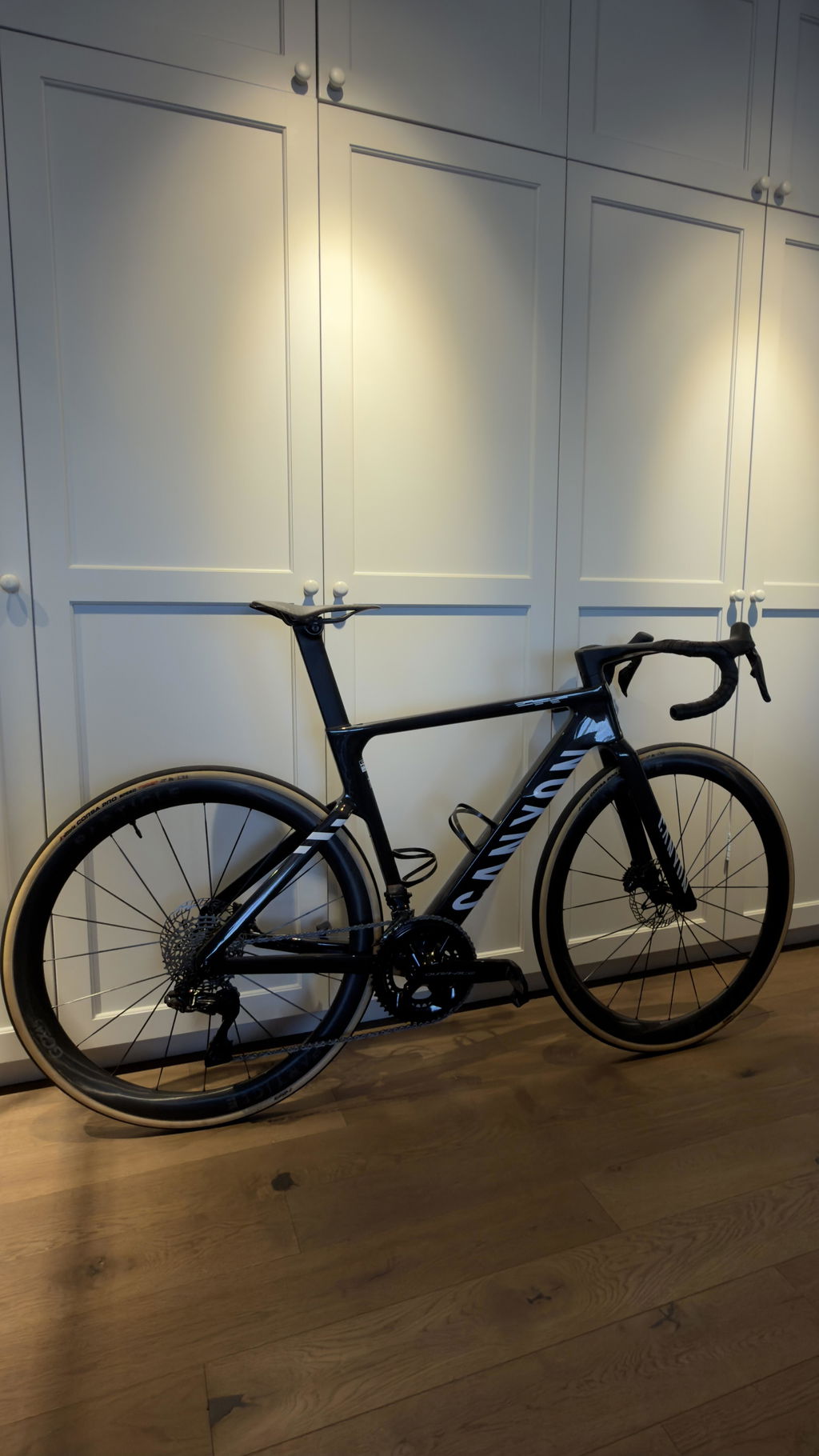
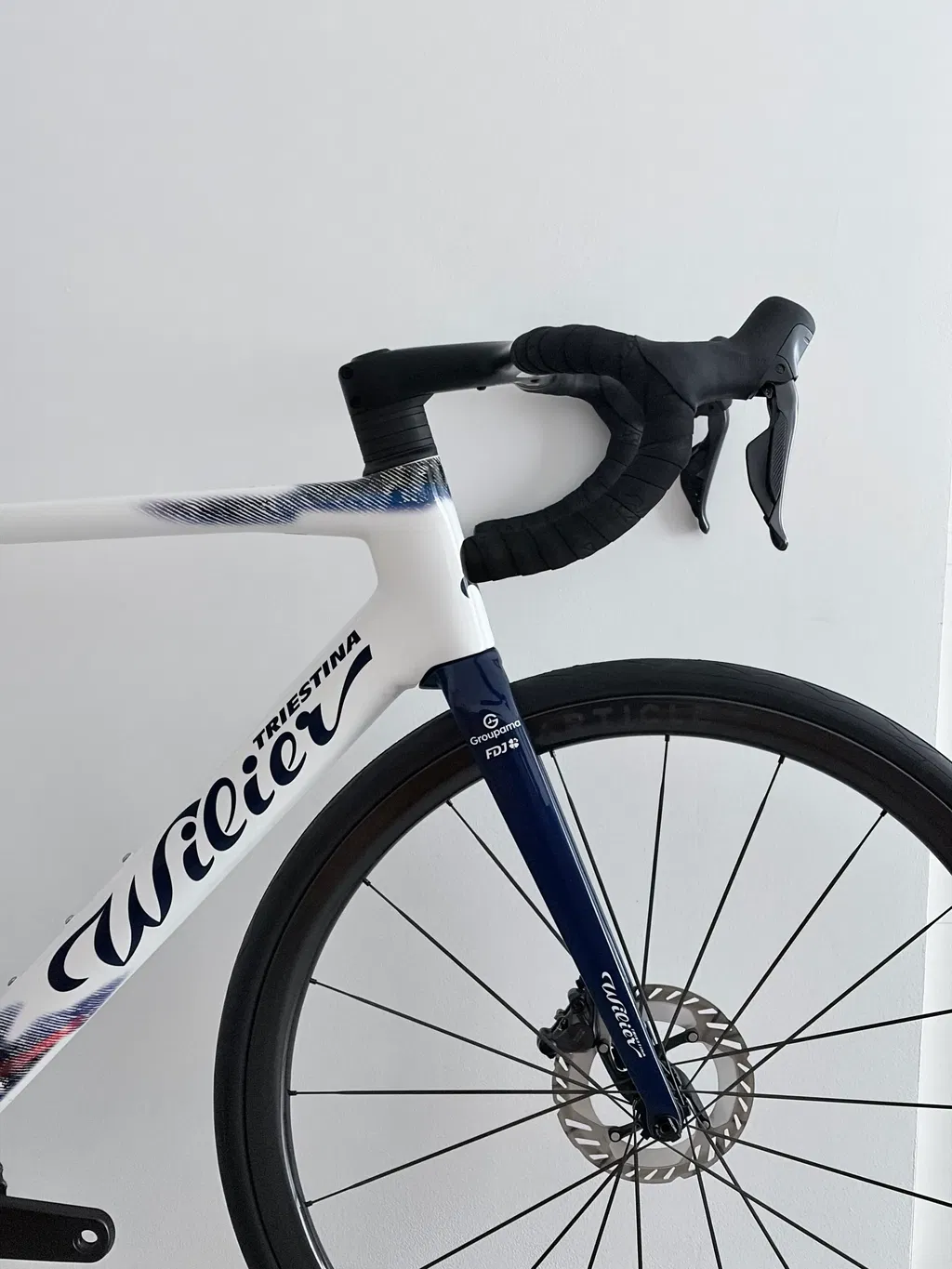
A road bike is designed for fast riding on pavement: training, group rides, sportives, and racing. Every part of it, from the position to the tires, is tuned for speed and efficiency on smooth surfaces.
Gravel bikes are built for flexibility. They handle chip seal, broken pavement, farm tracks, and short off-road links without feeling out of place, and they stay composed when conditions change mid-ride.
In simple terms, road bikes prioritize pace, and gravel bikes prioritize adaptability.
Key Differences in Frame Geometry
Frame geometry is one of the clearest ways to understand the gravel bike vs. road bike decision. It decides how you sit on the bike and how it steers.
Road bikes put you in a lower, more stretched-out position with quick steering. Gravel bikes raise the front end, lengthen the bike, and slow the steering down for control.
These numbers look small on paper, but you feel them every time you accelerate, corner, or hit a rough patch.

Why Road Geometry Feels Faster
Road bikes usually have a lower stack and a longer reach, which puts you in a more aerodynamic position. A shorter wheelbase and steeper head angle make the bike turn quickly and feel lively when you push on the pedals.
That responsiveness is ideal on smooth roads and in fast group rides. The tradeoff is that the same setup can feel nervous when the pavement breaks up.
Why Gravel Geometry Feels Steadier
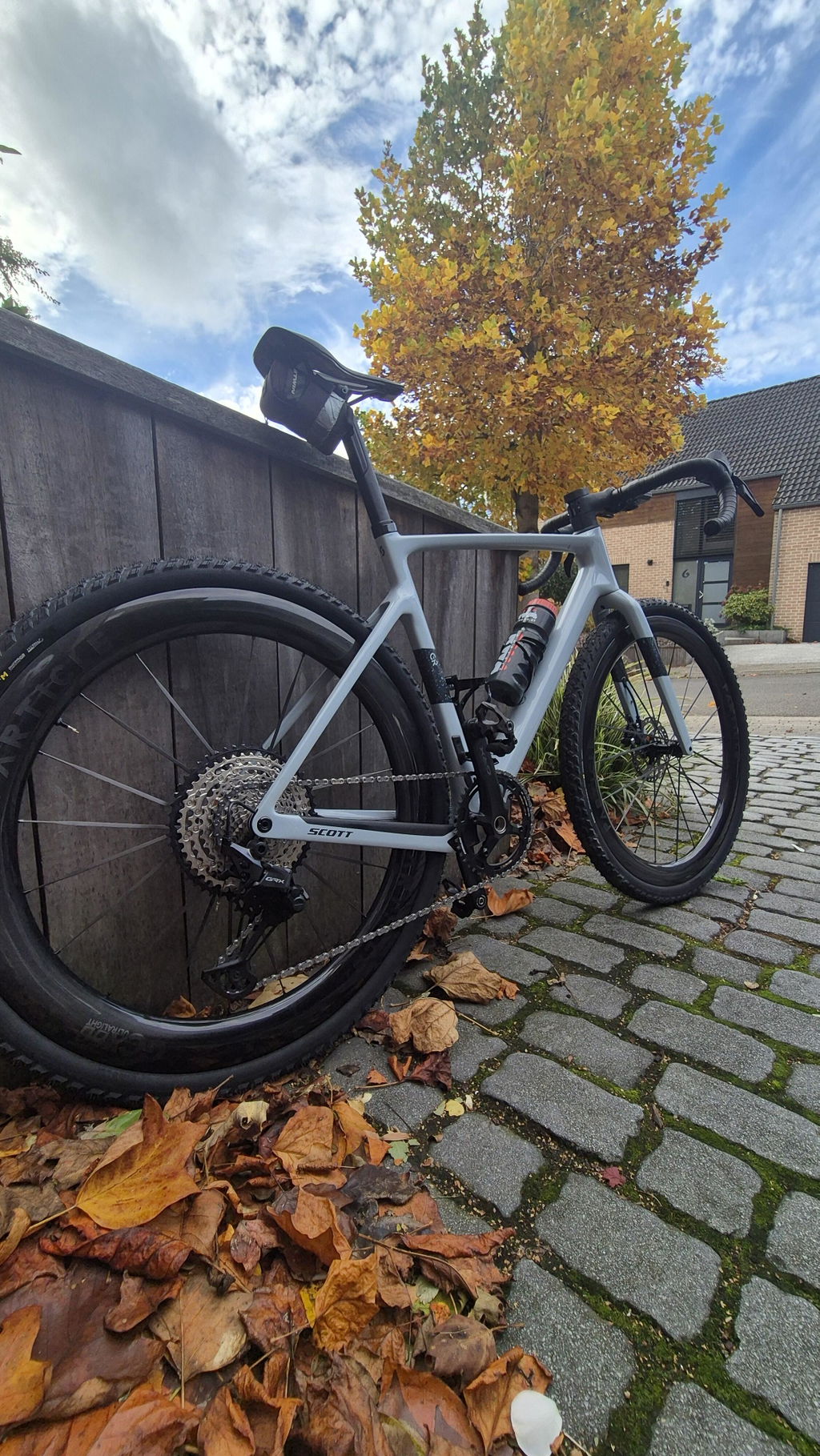
Gravel bikes use a longer wheelbase, a slacker head angle, and a more upright position. The result is a calmer ride that tracks straight on loose terrain and lets you look further ahead.
A taller front end also takes weight off your hands and neck, which helps on long days. Gravel handlebars often flare outward at the drops for extra control, and our guide to choosing gravel bike handlebars explains why.

Tire Clearance and Tire Choice
Tire clearance is the most practical difference between the two. Road bikes usually take tires up to about 30 to 35mm, while most gravel bikes fit 40 to 50mm.
Wider tires change the ride completely. They add grip, soak up vibration, and let you run lower pressures on rough or loose surfaces without pinch flats.
Tread matters too. Slick or lightly treaded tires suit light gravel and fast mixed surface rides, while knobbier tires help when the ground gets loose. Our guide to choosing gravel tires covers width and tread in detail.
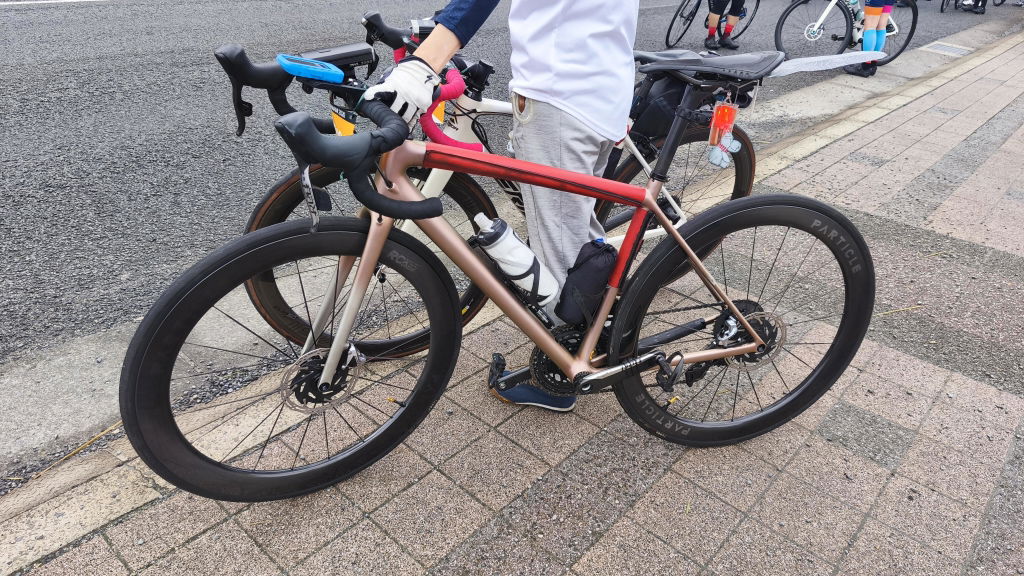
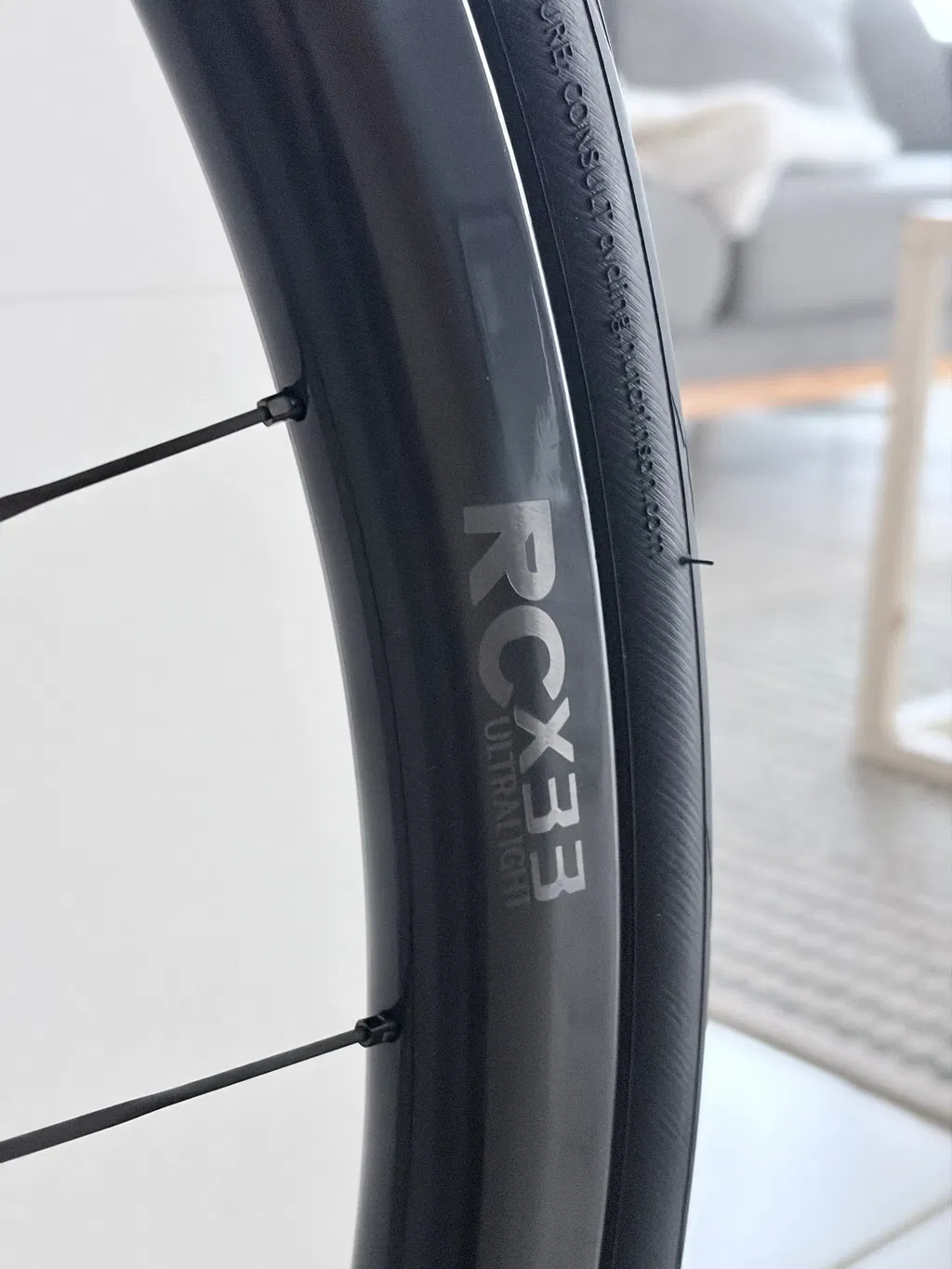
Wheels follow the same pattern. Road wheels are usually narrower inside, while gravel wheels are wider to support bigger tires. Particle's GCX wheels, for example, have a 25mm internal width, compared with 21mm on its RCX road wheels. Our article on GCX vs RCX wheels explains the difference.
Are Gravel Bikes Slower Than Road Bikes?
On smooth pavement, yes, a little. Road bikes have the edge in speed and efficiency because of their lower position, lighter weight, and narrower, faster tires.
The gap is smaller than many riders expect, though. Swap a gravel bike's knobby tires for slick road tires and much of the difference disappears on the road.
On rough roads and gravel, the gravel bike is often faster overall, because you can keep pedaling smoothly instead of slowing for every bump.
Comfort and Ride Feel
Over longer rides, comfort can protect your pace better than an aggressive position that leaves you tense and tired. Road bikes feel direct and efficient, but every crack in the road reaches your hands.
Gravel bikes offer more stability and comfort, thanks to the upright position, longer frame, and wider tires. Many riders find they finish long rides fresher on a gravel bike, even on pavement.
Whichever you choose, a good position matters more than the bike type. Our bike fit guide explains how to set yours up.
How Terrain Should Guide Your Choice
Think about the surfaces you ride in a normal week. If it is almost all pavement, a road bike is the obvious fit.
If your routes include light gravel, broken road edges, or detours onto unpaved paths, a gravel bike starts to make more sense. The more often you meet loose or rougher terrain, the more its stability and tire room matter.
Choose a Road Bike If Pavement Is Your Default
For riding that is mostly on smooth tarmac, a road bike gives the best mix of pace, efficiency, and sharp handling. It suits riders who care about average speed, group riding, and racing.
A road bike also has a lighter, more direct feel that many riders love once they are used to it.
Choose a Gravel Bike If Surfaces Change Often
If your rides regularly cross dirt roads, gravel tracks, or rough pavement, a gravel bike is the safer choice. Gravel bikes are less about pure speed and more about freedom to go where the route takes you.
They also suit commuting on poor roads, exploring new routes, and long days on mixed terrain where comfort counts.
When a Gravel Bike Is the Best of Both Worlds
For many riders, a gravel bike is the best of both worlds. It rides well enough on pavement and opens up mixed terrain that a road bike cannot handle.
A popular approach is to own one gravel bike and two wheelsets: one with gravel tires and one with road tires. Swapping wheels takes a few minutes and turns the bike into a fast road machine or a confident gravel bike. Our Best Gravel Wheels 2027 guide covers wheels that work for both.
If road riding is your main focus, though, a dedicated road bike will always feel quicker. Our Best Road Bike Wheels 2027 guide covers the road side.
How to Choose the Right Bike for You
Start with three questions. Where do you ride most? How much does outright speed matter to you? And how comfortable do you want to be when the surface gets rough?
If the answers point to smooth roads and speed, choose a road bike. If they point to variety, comfort, and exploring, choose a gravel bike.
Budget matters too. At the same price, a road bike is often a little lighter, while a gravel bike usually includes wider tires, easier gearing, and more mounts for bottles and bags. Think about which of those extras you will actually use.
Also think about where your riding might go in a year or two. Many riders buy a road bike, then discover quiet gravel roads and wish they had more tire room. Others buy a gravel bike and find it becomes their only bike.
If you can, test ride both. Ten minutes on each bike, on roads you know, tells you more than any spec sheet.

Frequently Asked Questions
Should I get a gravel bike or a road bike as my first bike?
For most new riders, a gravel bike is the more flexible first bike. It handles pavement, rough roads, and light trails, so you can find out what kind of riding you enjoy before committing.
Can I ride a road bike on gravel?
On smooth, firm gravel with wider road tires, yes. On loose or rough surfaces, a road bike's narrow tires and quick steering make it harder to control.
Can a gravel bike be used as a road bike?
Yes. Fitted with slick road tires, a gravel bike rides well on pavement. It will be slightly slower than a dedicated road bike, mainly because of its more upright position and extra weight.