How to Choose Gravel Tires: Best Gravel Tire Width
Choosing the best gravel tire width is less about finding one magic number and more about matching your tires to the roads you actually ride. Width changes how the bike carries speed, how much vibration reaches your hands, and how much control you have when the surface turns loose.
This guide explains how width affects the ride, which widths suit which surfaces, and how pressure, casing, and tread fine-tune the result. If you are new to gravel, start with our guide to gravel riding for beginners.
How Gravel Tire Width Changes the Ride
Wider tires hold more air, so you can run lower pressure without the tire feeling harsh or unstable. That also spreads the contact patch, the area of tire touching the ground, so the tire grips better on loose stones and washboard.
The benefit is not just comfort. A wider tire absorbs small bumps before they become steering corrections, which helps you keep momentum and stay relaxed.
Tire width is also the biggest difference in road tires vs gravel tires. Road tires are usually 25 to 32mm, while most gravel tires are 38 to 50mm. Our guide to gravel bike vs road bike covers the other differences.
Are Wider Tires Slower?
How fast a tire feels depends on the surface. On smooth gravel and pavement, a narrower tire can roll faster because there is less tire to flex and less weight to spin up.
Gravel is rarely smooth for long, though. On rough surfaces, the biggest loss is vibration. A narrow tire at high pressure bounces off every stone, which wastes energy and tires you out.
A wider tire at lower pressure moves with the ground instead of bouncing off it. That is why wider tires are often quicker over a full ride, even if a narrow tire feels quicker for the first few minutes.
In other words, real speed on gravel comes from the whole setup, not width alone.

Recommended Widths for Gravel Bike Tires
Start with the roughest surface you ride regularly, then choose a width that gives you some margin for comfort and control. If your rides mix pavement and gravel, lean slightly wider than you think.
30–35mm: Smooth Gravel and Pavement
This range suits firm, smooth gravel and rides with a lot of pavement. It feels quick and road-like, and it is often the most a road or endurance bike can fit.
The tradeoff is less forgiveness. On rough or loose sections, narrow tires lose comfort and grip quickly.
Is 35mm wide enough for gravel? On firm, even gravel, yes. On rougher routes, expect a firmer ride and more careful pressure setup.
38–42mm: Mixed Gravel and Everyday Riding
This is the most versatile range and a good starting point for most riders. It balances speed, comfort, and control across pavement, hardpack, and occasional rough patches.
A 40mm tire supports lower pressures and corners well on loose gravel, while still feeling efficient on smoother stretches. If you want one tire choice that does most things well, start here.
45–50mm: Rough Gravel and More Control
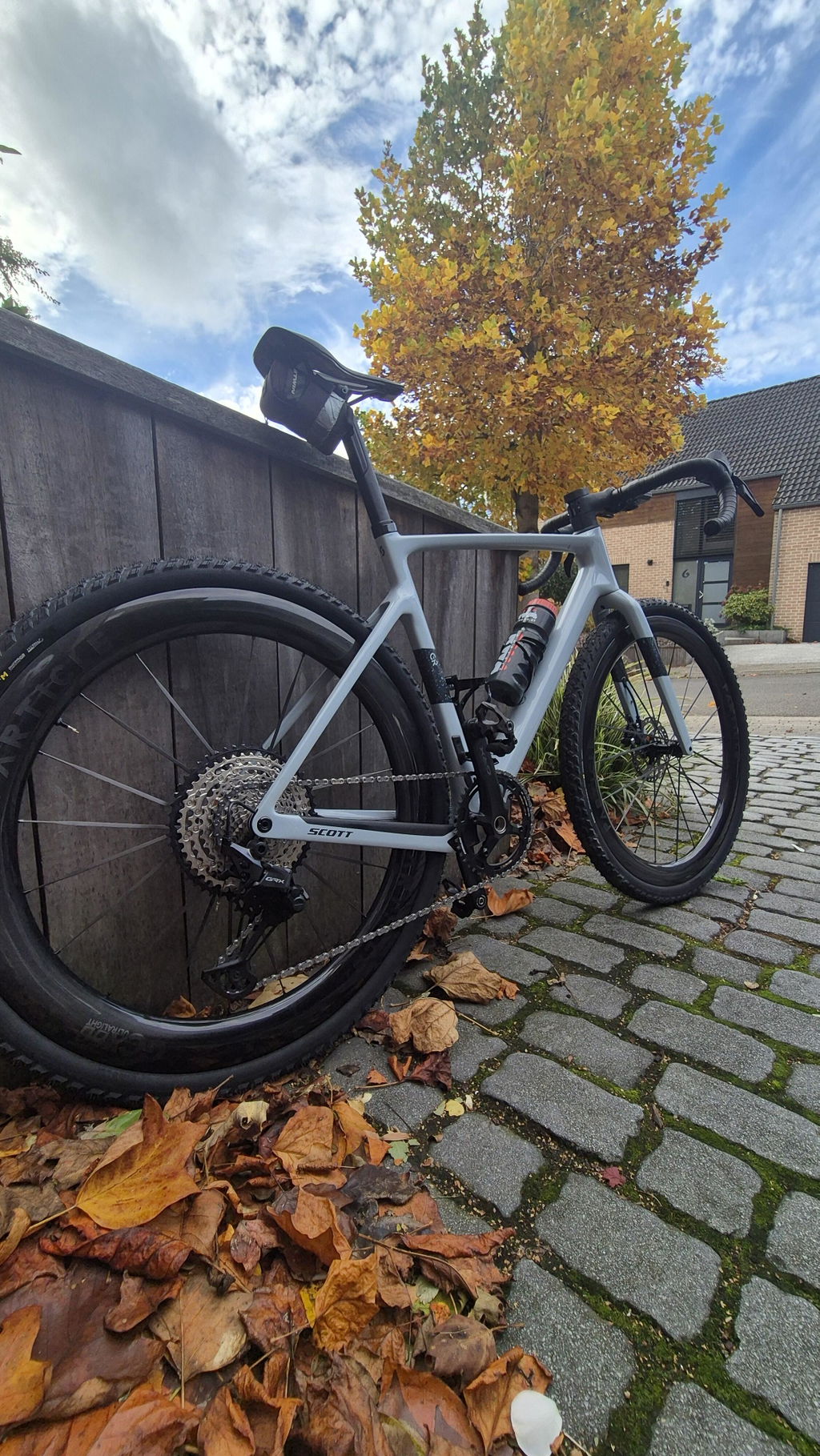
If your rides include bumpy terrain, loose climbs, or long stretches of broken road, 45 to 50mm makes a clear difference. More air volume improves grip and stability and reduces fatigue.
Bigger tires also let you drop the pressure without the rim hitting rocks, which helps prevent pinch flats.
50mm and Wider: Very Rough Routes and Bikepacking
For very rough routes, loaded bikepacking, and long adventure days, it often pays to go wide. Tires over 50mm smooth out repeated impacts and keep the bike calm when you carry extra weight.
The limit is your frame. Check frame and fork clearance before buying, and leave at least 4 to 6mm of space around the tire for mud and debris.
Match Tire Width to Your Rim
Rim width affects how a tire sits. A tire on a rim that is too narrow pinches in and squirms in corners, while a well-matched rim supports the sidewalls so the tire holds its shape.
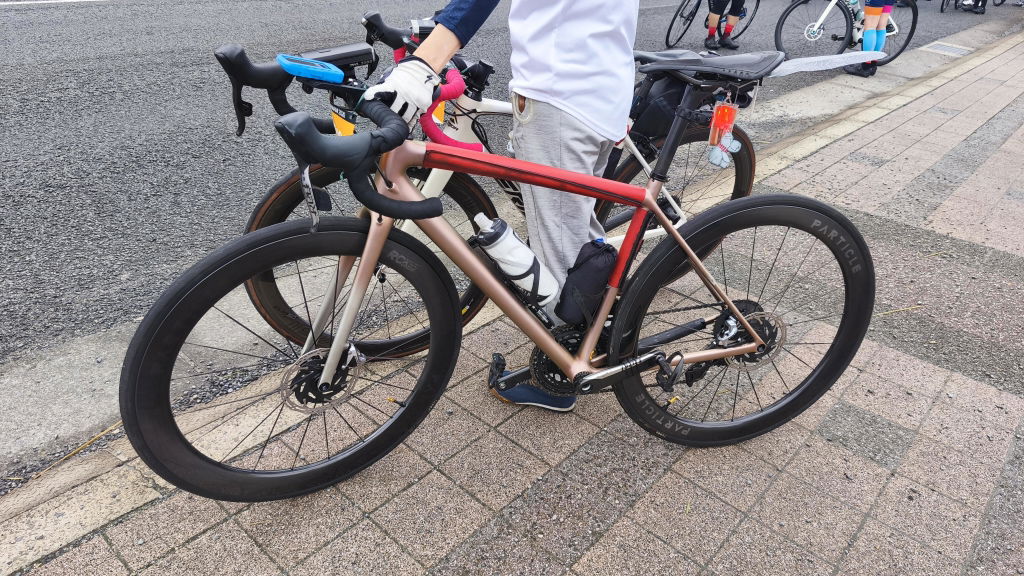
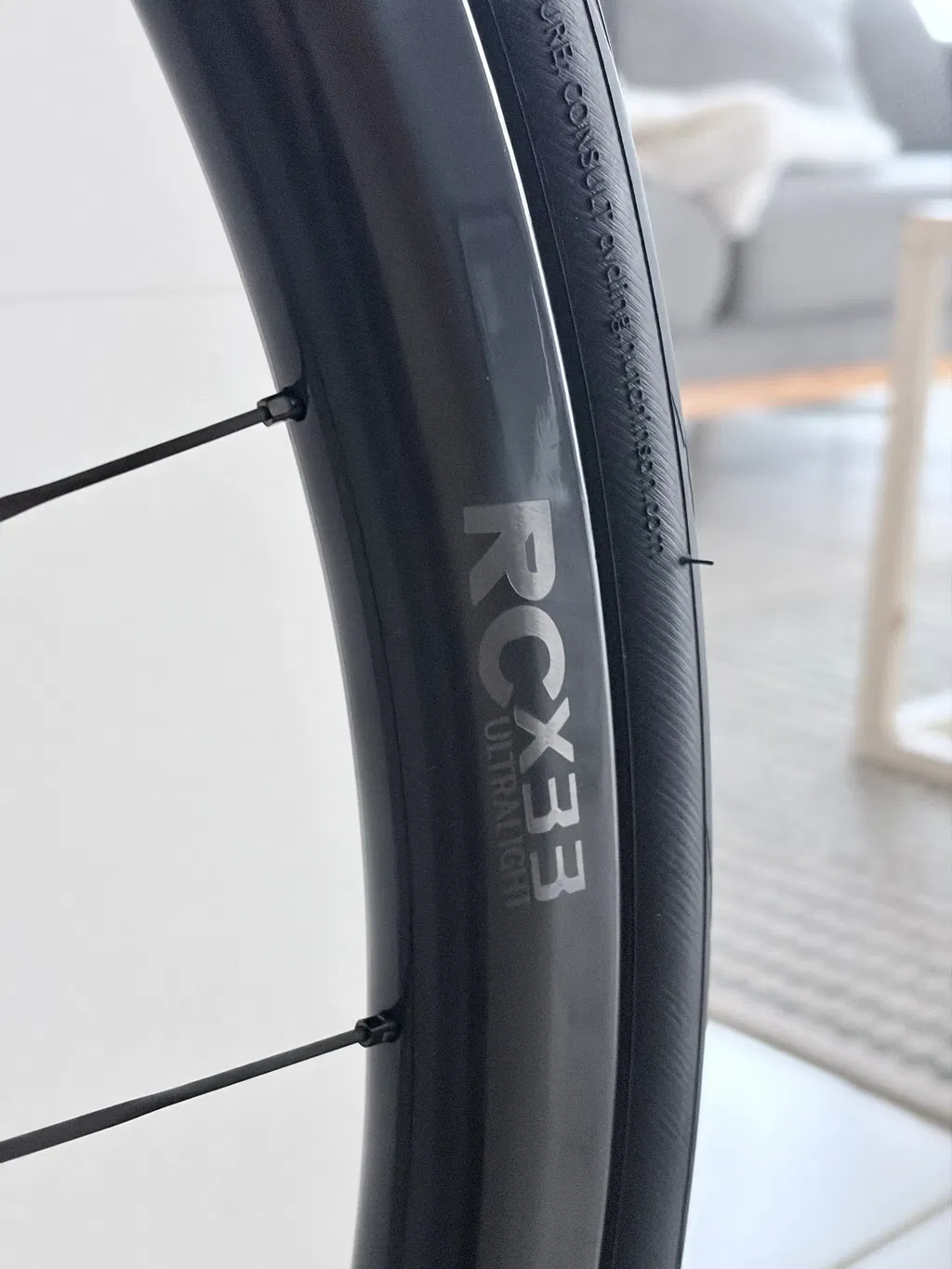
As a rough guide, a 25mm internal rim width suits tires from about 38 to 50mm, while a 30mm or wider rim suits tires of 42mm and up. Particle's GCX wheels use a 25mm internal width, and the WCX Ultralight uses 32mm for wider tires.
Our rim width guide explains this in more detail, and our Best Gravel Wheels 2027 guide compares gravel wheels by width.

Tire Pressure, Casing, and Tread Pattern
Width is the starting point, but tire pressure, casing, and tread decide how a tire actually rides.
Lower pressure usually improves comfort and traction because the tire can absorb bumps. It also gives you more grip in corners on loose surfaces.
There is a limit, though. Too little pressure makes the tire squirm and risks hitting the rim. The best setting depends on tire width, rider weight, and terrain.
Running tubeless lets you use lower pressures safely, because there is no inner tube to pinch. Particle's tire compatibility and pressure guide gives starting points, and our guide to tubeless, clincher, and hookless setups explains the options.
The casing is the fabric layer under the tread. A supple casing flexes easily, rolls fast, and feels smooth, but it is more prone to cuts.
A tougher casing with extra sidewall protection resists cuts and supports the tire at low pressure, at the cost of some weight and ride feel.
For rough or rocky routes, a protected casing gives more confidence. For smooth, fast gravel, a lighter casing is usually the better pick.
Choose a tread pattern for your conditions. A file tread or tightly packed small knobs rolls well on hardpack and dry, firm surfaces.
Tires with a smooth center and side knobs work well on mixed surfaces, giving speed in a straight line and grip in corners. Taller, widely spaced knobs suit mud, loose climbs, and wet conditions.
Before you buy, avoid a few common mistakes.
Buying for the race you might do one day. A fast, narrow race tire can feel nervous and puncture-prone on the rough roads you ride every week.
Running road pressures. Gravel tires need far less air than road tires, and pumping them hard throws away most of the grip and comfort that wider tires offer.
Ignoring clearance. A tire that only just fits will rub once it picks up mud, and a wider rim makes the tire measure slightly wider than its label.
Choosing tread for the worst day. Aggressive knobs help in mud, but they buzz and drag on dry hardpack. Pick tread for your usual conditions.
Forgetting the casing. A light, supple tire is fast, but on sharp, rocky roads a cut sidewall can end your ride.
How to Choose the Right Tire Width for Your Ride
Start with the roughest section of a normal ride. If it is smooth, you can run narrower tires. If it is loose, rocky, or broken, go wider for control and less fatigue.
Then think about how you ride. If you race or ride fast group rides on firm roads, prioritize a lighter casing and faster tread. If you explore, ride alone, or head far from help, prioritize puncture protection and a little extra width.
Season matters too. Some riders run a narrower, faster tire in dry summer months and switch to a wider, knobbier tire for wet winter roads.
Next, check how wide a tire your frame and fork can take. Your bike may decide the maximum width before your preference does.
If you are stuck between two sizes, choose the wider one. For most riders, the extra comfort and control outweigh a small loss of pace.

Matching Width to Speed on Your Terrain
Narrower tires suit racers on smooth, fast courses. Mid-width tires suit most everyday riders. Wider tires suit rough routes, beginners who want more stability, and anyone riding long distances.
If you mostly ride with a group, it also helps to match what others are using on the same routes. Local riders usually know which widths and tread patterns work best on your roads.
Whatever you choose, test a few pressures on your usual roads. Small changes of a few psi can transform how a tire feels.
Frequently Asked Questions
What is the best gravel tire width? For most riders, 38 to 42mm is the best all-round width. Go narrower for smooth roads and wider for rough routes.
Is 40mm a good gravel tire width? Yes. It is one of the most popular sizes because it balances speed, grip, and comfort on mixed surfaces.
Can I put gravel tires on a road bike? Only if the frame has enough clearance. Most road bikes fit tires up to about 30 to 35mm, which limits them to smoother gravel.