Gravel Riding for Beginners: A Guide to Gravel Biking
Gravel biking sits between road cycling and mountain biking, but it is more than just riding on gravel. It usually means choosing routes that mix dirt roads, farm lanes, fire roads, and quiet pavement, with enough variety to keep a ride interesting without the commitment of technical trail riding.
That middle ground is why gravel riding for beginners is such an easy place to start. One bike can take you from your front door onto routes that would feel out of place on a pure road bike, and you do not need advanced skills to enjoy it.
This guide covers what gravel biking is, what makes a gravel bike different, how to choose your first routes, the basic skills to practice, and how to prepare for your first ride.
What Is Gravel Biking?
At its core, gravel biking is riding on unpaved surfaces on a bike built to handle them. The term covers much more than loose stones, though. Riders use it for smooth hardpack, forest service roads, rail trails, and rolling mixed-surface loops.
The common thread is versatility. Unpaved tracks are rougher and slower than paved roads, but they rarely demand the technical skill of mountain biking. That makes gravel riding a good fit for exploring, fitness, long days out, and social rides with friends.
Because it spans so many surfaces and speeds, gravel biking is best understood as a style of riding rather than a single type of terrain.

What Counts as Gravel Terrain
Gravel terrain usually includes dirt roads, fire roads, farm tracks, and canal or rail paths. Most routes also include some pavement to connect the unpaved sections together.
The surface can be firm and fast, or loose enough to shift under your tires. Some days you will roll along smooth hardpack, and other days you will slow down for rough stuff such as washboard ruts, deep gravel, and patches of mud.
That range is why the route matters more than the label on the map. Two "gravel" rides can feel completely different.
Conditions change with the seasons too. A track that is firm and fast in summer can be soft and muddy in winter, so the same loop can feel like a new ride at different times of the year.
What Is a Gravel Bike?
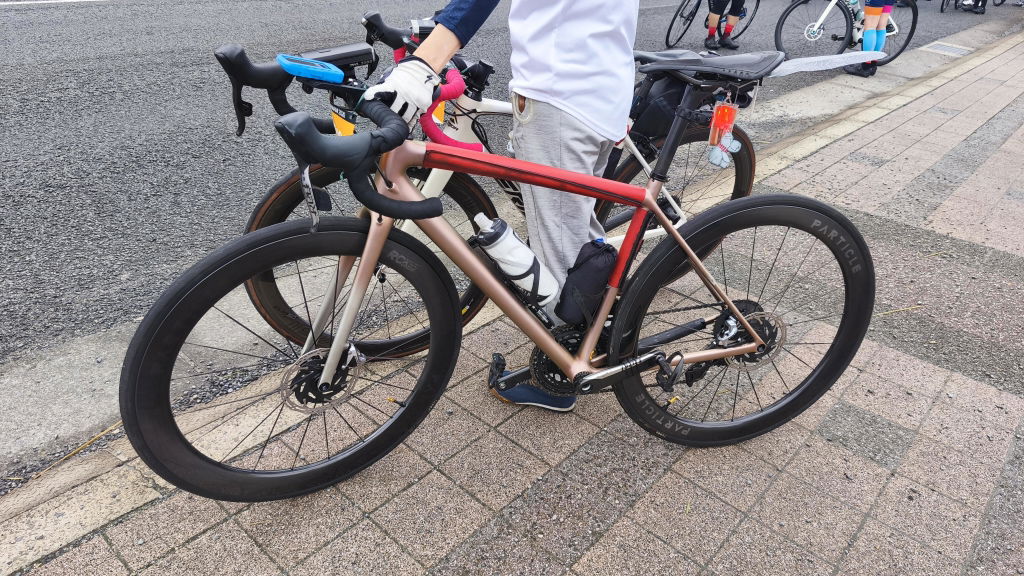
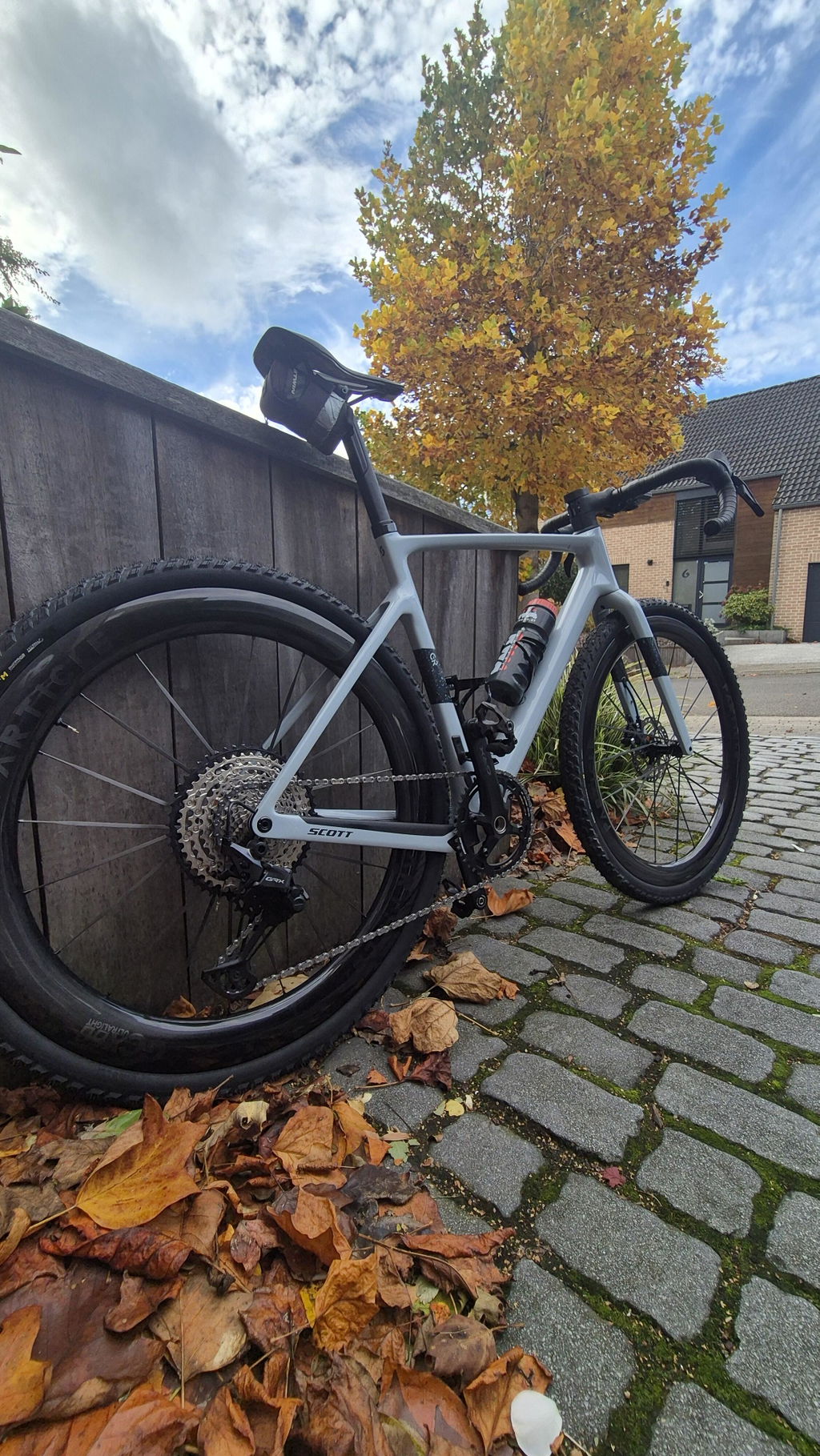
A gravel bike is a drop-bar bike built to handle mixed surfaces better than a road bike. A modern gravel bike balances speed, comfort, and control, so it feels efficient on pavement while staying calm on dirt.
Not every gravel bike is built the same way. Some are race-focused and close to a road bike in feel. Others prioritize stability, wide tires, and the ability to carry gear for long adventures.
For beginners, the simplest way to think about it is this: a modern gravel bike gives you one bike that moves between pavement and dirt without feeling out of place on either.
Features You Will Notice
Most gravel bikes use drop bars, which give you several hand positions and a familiar road-bike feel. Many gravel bars flare outward at the drops for extra control on rough descents. Our guide to choosing gravel bike handlebars explains the options.
Gravel frames also leave room for much wider tires than a road bike, and their geometry is longer and more stable, so the bike tracks straight when the surface changes without warning.
You will also see extra mounting points on the frame and fork. These let you add bottle cages, bags, and mudguards for longer rides.
Wheels and Tires
Most modern gravel bikes use 700c wheels, the same diameter as a road bike. They roll efficiently over bumps and hold speed well on hardpack. Some bikes can also take 650b wheels, which are smaller and leave room for higher-volume tires on very rough routes.
For most beginners, the wheels that came with the bike are fine to start with. Wheel and tire upgrades make more sense once you know what kind of gravel riding you enjoy.
Tires make the biggest difference to how a gravel bike feels. Most riders use tires between about 38mm and 50mm wide, and running them tubeless lets you use lower pressures for more grip and comfort. Our guide to choosing gravel tires covers widths and tread in detail.
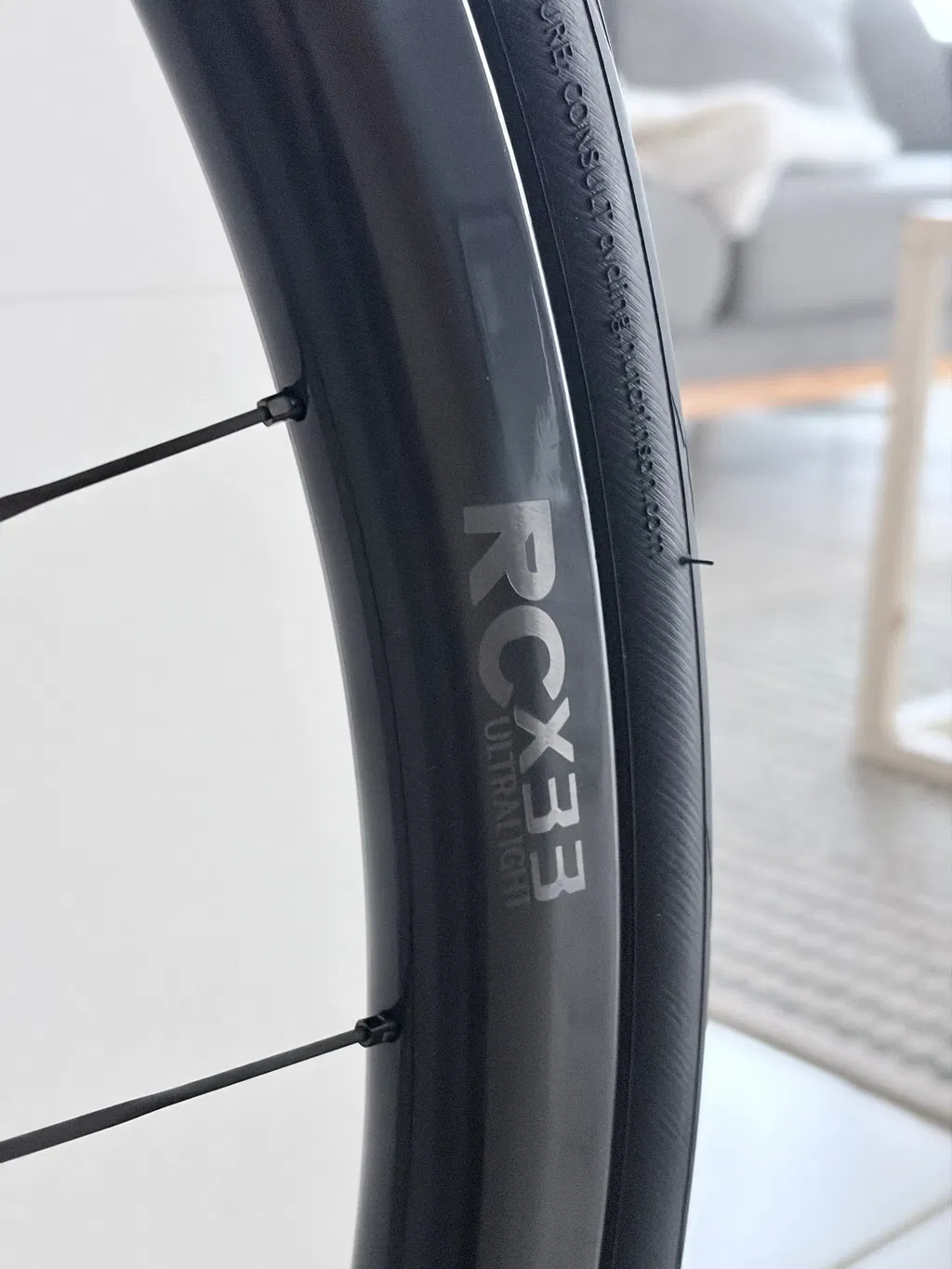
Wheels matter too. A lighter, wider wheel makes the bike feel quicker on climbs and more stable on loose ground. Our Best Gravel Wheels 2027 guide explains what to look for once you are ready to upgrade.

Do You Need a Gravel Bike to Start?
Not necessarily. Many riders try their first gravel rides on a bike they already own. A hybrid or an older mountain bike works fine on smooth dirt roads, and some endurance road bikes can fit tires wide enough for light gravel.
Check how wide a tire your current bike can take. If it fits 32mm or wider, easy gravel is usually manageable. Narrower tires than that will feel harsh and puncture more easily on loose stones.
If you enjoy it and start riding rougher routes, a dedicated gravel bike makes a clear difference. It will feel more stable on loose surfaces, more comfortable over long distances, and more efficient than a mountain bike on paved roads between the dirt sections.
When you do shop for one, focus on fit, tire size, and gearing before weight or brand. Easy gearing matters more on gravel than on the road, because loose climbs are harder to power up.
Gravel Biking vs Road Cycling
Compared with road cycling, gravel riding is usually slower, rougher, and more varied. A road bike is designed for speed on smooth paved roads. A gravel bike is designed to keep you moving and in control when the pavement ends.
Can you ride gravel on a road bike? On well-packed surfaces with wider tires, sometimes. Rougher unpaved roads quickly show the limits of narrow tires and tight frame clearance, though.
Road cycling rewards steady pace and low rolling resistance. Gravel riding rewards stability, traction, and the freedom to pick routes without worrying about the surface.
A good gravel bike can still feel quick on pavement, and many riders use one for commuting, training, and weekend adventures. If you are deciding between the two, our guide to gravel bike vs road bike compares them side by side.
Gravel Biking vs Mountain Biking
Gravel riding borrows some of the confidence of mountain biking, but with a lighter, faster bike. Mountain bikes have suspension, flat bars, and very wide tires for steep descents, roots, and rocks.
Gravel bikes are less capable on that kind of technical terrain, but they are much faster on long mixed rides where efficiency still matters.
If your regular rides involve mountain bike trails with drops and rock gardens, a mountain bike is the better tool. If your rides are mostly unpaved roads and rolling dirt paths, a gravel bike is usually the more practical choice.
The line between the two can blur. Some gravel tracks get rough enough to feel trail-like, and some easy singletrack is fine on a gravel bike if you ride carefully. Our XC and downcountry wheels guide covers the cross-country side of mountain biking if your rides are heading that way.
Who Gravel Riding Is For
Gravel riding suits anyone who wants variety. That includes road riders tired of traffic, mountain bikers who want to cover more distance, and new riders who simply want to explore.
It is also a good fit if you want one bike for several jobs. A single gravel bike can handle training, commuting, social rides, and weekend trips without needing a separate bike for each.
For many people, the real draw is freedom. When a ride can include pavement, dirt, and quiet back roads, you can plan around curiosity instead of around the surface.
Gravel also has a welcoming community. Many local clubs and bike shops run regular group rides at a relaxed pace, and gravel events often have shorter route options designed for newer riders. Joining one is a good way to learn local routes and pick up skills from more experienced riders.

How to Choose Gravel Routes
The best first routes are short, predictable, and easy to navigate. Smooth hardpack and quiet gravel roads let you learn how the bike feels without being overwhelmed by loose surfaces or steep climbs.
Look for loops with ways to cut the ride short, and routes that are easy to reverse if the weather or the surface turns bad. Route apps and local cycling clubs are good places to find popular local loops.
Check local access rules before you ride. Some tracks cross private land or have seasonal closures, and a road that looks open on a map is not always legal to ride.
As you gain confidence, add distance, more climbing, and rougher sections a little at a time.
Be considerate on shared roads and paths. Slow down for walkers, horse riders, and farm vehicles, close any gates you open, and avoid riding soft tracks when they are waterlogged, since tires leave deep ruts.
Before Your First Gravel Ride
Rough surfaces punish neglected equipment more than smooth roads do, so a quick check before each ride goes a long way. Start with the tires, brakes, and drivetrain.
Make sure the tires have good tread and no cuts, the brakes feel strong, and the bike shifts cleanly. Check that your brake pads have plenty of material left, since dust and grit wear them faster on gravel. A clean, lubricated chain also runs quieter and lasts longer.
Tire pressure matters more off pavement. Too much pressure makes the bike bounce and lose grip, while too little can make it feel vague or cause pinch flats. Particle's tire compatibility and pressure guide gives sensible starting points.
It is also worth checking your position on the bike. A comfortable saddle height and reach make long rough rides far more enjoyable, and our bike fit guide explains the basics.
What to Bring
Carry a spare tube or tubeless plug kit, a pump or CO2 inflator, tire levers, and a multi-tool. Bring more water and food than you would on a road ride of the same length, since gravel rides usually take longer.
A phone with your route loaded, a light jacket, and some cash are also worth packing. Check the forecast before you leave, because conditions change quickly away from towns and a dry dirt road can turn to mud after rain.
Our checklist of what to bring on a gravel ride covers everything in detail.
Gravel Biking Tips and Basic Skills
Learning how to ride on gravel is mostly about staying relaxed. Keep a light grip on the bars, bend your elbows and knees, and let the bike move underneath you. Tense riders bounce around; relaxed riders flow over bumps.
Look further ahead than you would on the road. Scanning for the smoothest line gives you time to avoid deep gravel, potholes, and loose patches.
Ride loose surfaces at a steady pace. Smooth pedaling and gentle braking keep the tires gripping, while sudden inputs make them slide.
Practice on easy terrain before you need the skills. An empty dirt car park or a quiet gravel lane is a good place to try braking, cornering, and riding out of the saddle on a loose surface without any pressure.
When riding with others, leave more space than you would on the road. Dust, stones, and sudden braking make close wheel-following riskier on gravel.
Climbing and Descending
On loose climbs, stay seated where you can, so your weight keeps the rear tire gripping. Shift to an easier gear early and keep a smooth, steady cadence.
On descents, move your weight back slightly, stand on level pedals, and hold your hands in the drops for better braking and control. Brake before rough sections rather than in the middle of them, and use both brakes evenly.
Cornering on Loose Surfaces
Slow down before the corner, not in it. Keep the bike more upright than you would on pavement, look through the turn, and press gently on the outside pedal.
Gravel moves under the tires, so a small slide is normal. Stay relaxed and keep looking where you want to go.
How Long Does a 50-Mile Gravel Ride Take?
A 50-mile (80km) gravel ride usually takes longer than the same distance on pavement. Many riders average somewhere around 10 to 15 mph (16 to 24 km/h) on gravel, which means roughly three and a half to five hours of riding, plus stops.
Fitness, surface quality, climbing, weather, and navigation all change the time. Loose gravel and long climbs slow the pace quickly.
Stops add up as well. Refilling bottles, checking directions, fixing a flat, and taking photos can easily add an hour to a long ride, so build them into your plan rather than treating them as delays.
Use any estimate as a planning guide, not a target. On your first longer ride, leave extra daylight, carry extra water, and expect to go slower than you think.
Downsides of a Gravel Bike
The downsides are mostly tradeoffs. A gravel bike is usually a little slower than a road bike on smooth pavement, and less capable than a mountain bike on steep, rocky trails.
Each frame also has a limit on tire size. Check the tire clearance before buying if you want to run very wide tires for rough routes.
None of this makes a gravel bike a bad choice. Its strength is versatility. If most of your rides mix surfaces, it is often the best single bike you can own.
Getting Started: Your First Gravel Ride
Keep the first ride simple. Pick a short loop with predictable surfaces, check the bike, and forget about speed. Shorter rides of an hour or two are ideal while you learn how the bike handles on dirt.
You do not need a perfect setup to start. Many riders begin on a bike they already own, then adjust tire pressure and routes as they learn what feels comfortable.
Once you have a few rides done, you may want to try a local gravel event. Our guide to gravel bike setup tips for your first event explains how to prepare your bike and yourself.
Above all, enjoy it. Gravel riding is about freedom and exploration, and the best way to get better is to keep heading out and finding new roads to ride.